Determining who is liable in a bus accident in Texas often involves multiple parties, including the bus driver, the bus company, maintenance contractors, and even government entities such as METRO or a school district.
When a bus crash disrupts your life, identifying the responsible party is the first step toward securing the compensation you may be entitled to under the law.
Bus accidents differ significantly from standard car wrecks. You aren't just dealing with another driver's insurance policy; you are often up against powerful transportation companies, government agencies, or school districts with aggressive legal teams.
A Houston bus accident lawyer helps level the playing field, investigating the crash to pinpoint every entity that contributed to your injuries and holding them accountable.
Request Your Free Consultation
Key Takeaways About Why Legal Representation Matters When Determining Texas Bus Accident Liability
- Liability may extend beyond the driver. While a negligent bus driver in Houston is often the primary focus, the bus company can be held vicariously liable for its employee's actions, significantly increasing the potential for recovery.
- Public and private entities face different rules. Suing a government entity like METRO or a local school district involves navigating the Texas Tort Claims Act, which imposes strict notice deadlines and damage caps that do not apply to private charter bus companies.
- Maintenance and manufacturing play a role. Third-party maintenance contractors or manufacturers of defective bus parts can be held responsible if mechanical failures, such as brake defects or tire blowouts, caused the crash.
- Legal counsel manages complex investigations. Attorneys use the Texas Transportation Code and federal regulations to build a case, preserving critical evidence such as driver logs and maintenance records that companies might otherwise destroy.
The Complexity of Bus Company Liability in Houston
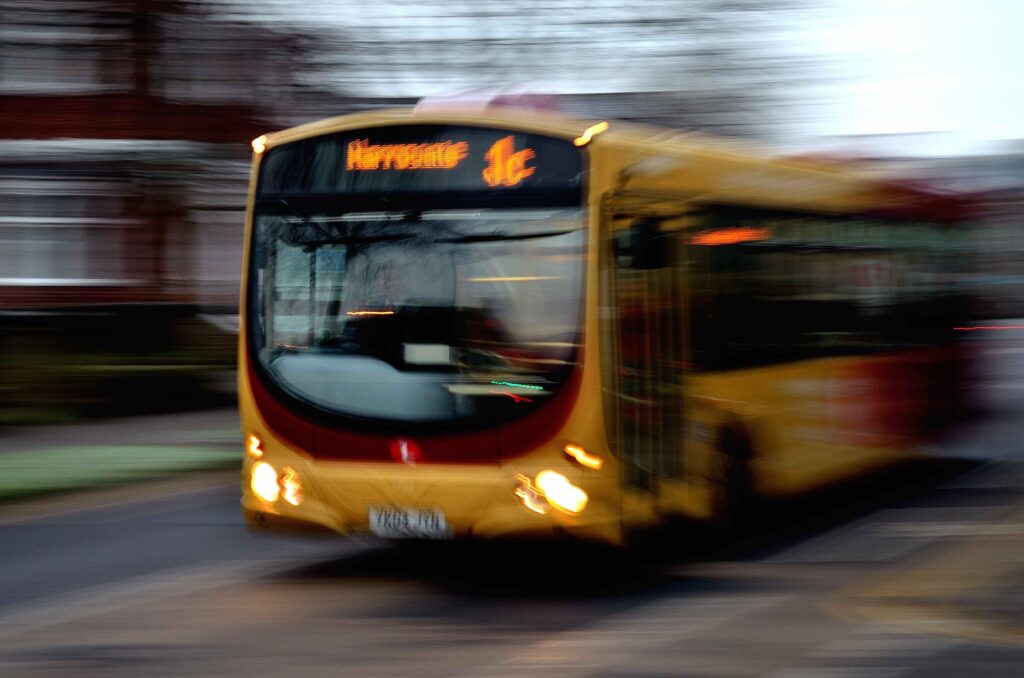
Bus accidents rarely happen in a vacuum. Unlike a typical fender bender, where 2 drivers exchange insurance info, a bus crash involves a web of corporate and legal relationships.
When a bus driver makes a mistake, whether it's speeding, distracted driving, or failing to yield, the company that employs them usually bears responsibility.
Under the legal doctrine of respondeat superior, an employer is liable for the actions of employees performed within the scope of their employment. This means if a Greyhound or Megabus driver falls asleep at the wheel on I-10, the company itself must answer for the negligence.
However, these companies often try to dodge liability by claiming the driver was an independent contractor or acting outside the scope of their duties.
A skilled legal team digs into employment contracts and company policies to challenge these defenses, working to keep the bus company on the hook for the damages their operations caused.
Public Transit vs. Private Carriers: Why the Distinction Matters
One of the biggest challenges in these cases is determining whether the bus is publicly or privately owned. This distinction dictates the entire legal strategy, from how much time you have to file a claim to how much compensation you can recover.
METRO and Public Transit Liability
If you are injured on a METRO bus in Houston, you are dealing with a government entity. In Texas, government agencies generally enjoy "sovereign immunity," meaning they cannot be sued unless the law specifically allows it.
The Texas Tort Claims Act waives this immunity in certain situations involving motor vehicle accidents caused by government employees.
However, this waiver comes with strings attached:
- Strict notice requirements: You often have a very short window, sometimes as little as 45 days, to file a formal notice of claim. Missing this deadline can bar you from recovery.
- Damage caps: State law limits the amount of money you can recover from a government entity, regardless of how severe your injuries are.
Attorneys familiar with Houston public transit injury claims know how to navigate these bureaucratic hurdles. They ensure every form is filed correctly and on time, protecting your right to seek justice within the confines of the law.
Private Charter and Tour Buses
Private companies, such as those operating casino shuttles, party buses, or long-distance charters, do not have the same protections as government entities since they are typically considered "common carriers."
Under Texas law, common carriers owe a higher duty of care to their passengers than regular drivers. This means they must exercise a high degree of vigilance and caution to avoid injury to those they transport.
If a private charter bus accident occurs because the company cut corners on safety to boost profits, proving they breached this high standard of care becomes a central part of the legal strategy.
School Bus Accidents: Liability When a Child is Injured
Few things are more terrifying than getting a call that your child was in a school bus accident. Determining responsibility for school bus accidents can be legally intricate.
If the bus is owned and operated by a public entity, like the Houston Independent School District (HISD), the same governmental immunity rules discussed above apply. The Texas Tort Claims Act generally allows lawsuits for injuries arising from the operation or use of a motor vehicle by a school employee.
However, many districts now outsource transportation to private companies. If a third-party contractor operates the bus, they may not be entitled to governmental immunity. This opens up different avenues for liability and potentially higher insurance limits.
Your lawyer investigates the contract between the district and the bus operator to determine exactly who is responsible. They also examine whether the school district failed to properly vet the driver's background, potentially opening the door to a negligent-hiring claim.
Third-Party Liability: When the Bus Company Blames Someone Else
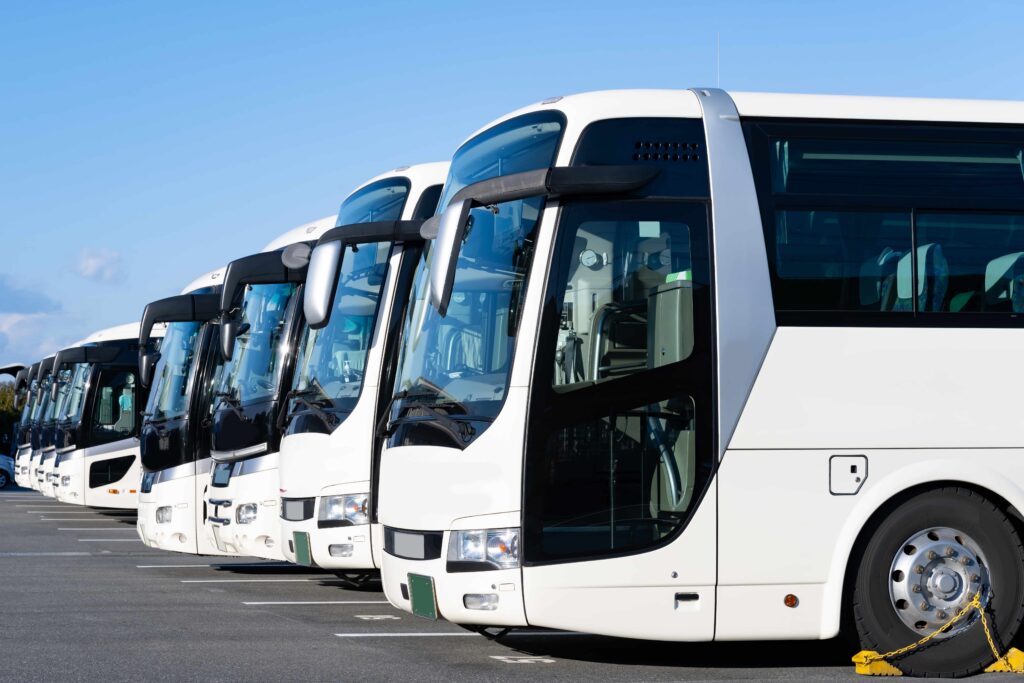
Bus companies frequently try to shift the blame. They might argue that a tire blowout wasn't their fault or that another driver cut off the bus operator.
Maintenance Contractors
Many bus companies hire outside vendors to handle repairs and inspections. If a third-party maintenance contractor liability issue arises, such as a mechanic failing to replace worn brake pads, that vendor can be held responsible for the crash.
Attorneys request maintenance logs and depose mechanics to reveal whether shoddy work contributed to the accident.
Defective Parts Manufacturers
Sometimes, a brand-new part fails. If a steering column snaps or a tire shreds due to a manufacturing defect, the company that made the part can be held liable under product liability laws. These cases require technical analysis and expert testimony to prove that the product was unreasonably dangerous.
Negligent Drivers of Other Vehicles
If a passenger car runs a red light and slams into the bus, the driver may likely be liable for your damages and losses. However, in many cases, multiple parties share the blame. Perhaps the car driver was speeding, but the bus driver was also distracted and could have avoided the collision.
Texas uses a "modified comparative negligence" rule, meaning multiple parties can be assigned a percentage of fault. A lawyer fights to ensure you aren't unfairly assigned blame, maximizing the recovery available from all negligent parties.
The Role of "Common Carrier" Duty of Care in Texas
Entities that transport people for a fee are common carriers. This designation is powerful in a lawsuit. It shifts the expectation from "reasonable care" to "high degree of care."
Examples of common carriers in Houston include:
- METRO buses and light rail
- Commercial airlines
- Taxi services and ride-share vehicles (in specific contexts)
- Private bus lines like Greyhound
When a common carrier's duty of care is breached, it means the company failed to act as a very cautious and prudent person would under similar circumstances.
Examples of this breach might include:
- Hiring a driver with a history of reckless driving.
- Failing to screen drivers for drug or alcohol use.
- Overcrowding the bus beyond its capacity.
- Ignoring weather warnings that made travel unsafe.
- Skipping mandatory safety inspections.
Proving a breach of this duty often requires having a lawyer secure internal corporate documents. Attorneys send preservation letters immediately after an accident to prevent companies from deleting emails, erasing security footage, or shredding driver files that could prove negligence.
Why "Vicarious Liability" Matters for Your Claim
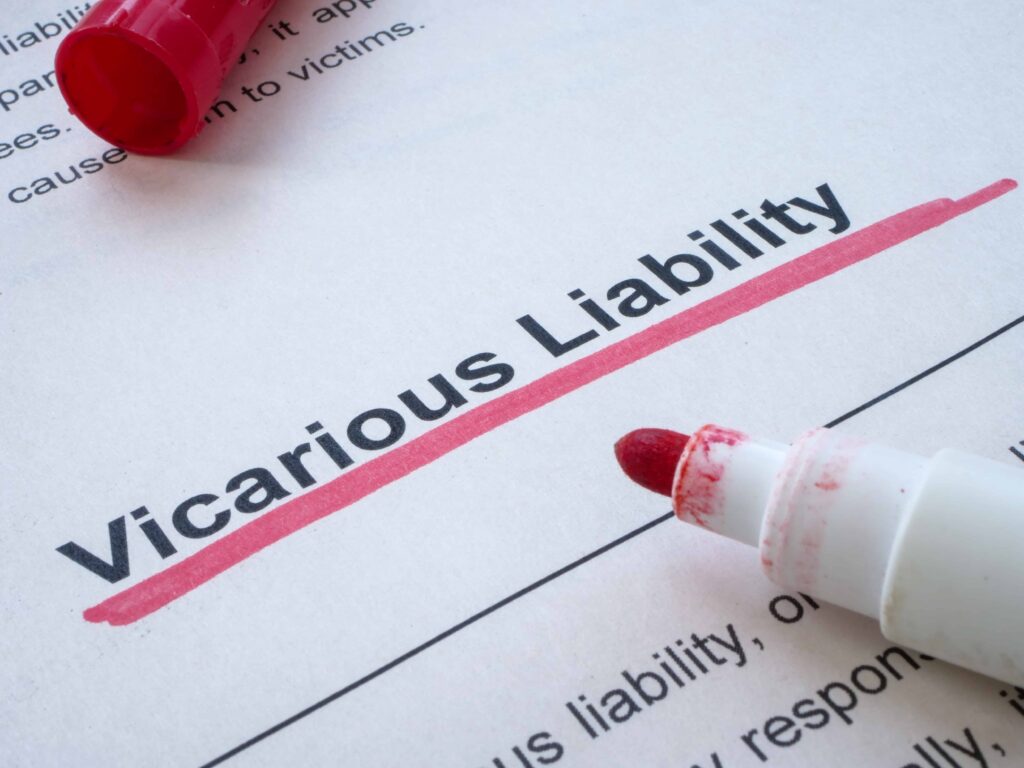
Vicarious liability is the legal concept that holds the bus driver accountable for the company's bank account. Without it, you might be stuck suing a driver who has few personal assets.
For vicarious liability to apply, the driver must have been acting within the course and scope of their employment. Bus companies often try to argue that if a driver was drunk or committed an intentional act of road rage, they were outside that scope.
However, Texas courts look at specific factors, such as whether the driver was on the clock, driving a company vehicle, or furthering the company's business interests.
A lawyer builds arguments to solidify this link, ensuring the company's insurance policy remains accessible for your compensation.
Texas Bus Accident FAQs
What makes church and shuttle bus accidents different from other bus crashes?
Church and shuttle buses are often older vehicles that may not meet the same federal safety standards as commercial carriers. Additionally, volunteer drivers may lack the specialized training required for handling large vehicles, increasing the risk of accidents.
Can a church or charitable organization be held liable for a bus accident?
Charitable organizations are generally required to carry liability insurance. If a volunteer driver causes an accident due to inadequate training or experience, the organization may be held liable for negligent entrustment.
What types of damages can victims recover after a bus accident?
Victims may recover compensation for medical expenses, lost wages, loss of earning capacity, pain and suffering, physical impairment, and disfigurement. In cases of extreme negligence, punitive damages may also be available to hold the responsible party accountable.
Do volunteer drivers need a Commercial Driver's License (CDL)?
Unlike professional bus drivers, volunteer drivers for church or shuttle buses may not be required to hold a CDL with passenger endorsements. This lack of training can lead to accidents, especially when handling vehicles with air brakes or large turning radii.
When are punitive damages awarded in bus accident cases?
Punitive damages may be awarded in cases involving extreme negligence, such as when a bus company knowingly uses unsafe vehicles or a driver operates under the influence. These damages are intended to punish the wrongdoer and prevent similar behavior in the future.
Take the Next Step Toward Justice After a Bus Accident in Houston, Texas
A bus accident can leave you feeling powerless, facing mounting medical bills and uncertain recovery. But you do not have to face the bus company or the government alone.
Understanding who is liable is the key to unlocking the support you need. Whether it was a reckless driver, a negligent maintenance shop, or a government entity that failed to keep its fleet safe, the law provides a mechanism for accountability.
Attorneys dedicated to these cases work tirelessly to uncover the truth. They strip away the corporate defenses and government red tape to present a clear picture of what happened and why you deserve to be made whole.
Are you ready to move forward and seek the compensation you may be entitled to? Call Terry Bryant Accident & Injury Law now to discuss your case for free with our experienced bus accident injury lawyers in Houston, TX.
Legal Resources for Accident Injury Claims in Texas
These blogs are designed to help you better understand the legal challenges you may encounter and the steps involved in pursuing a personal injury claim in Texas:
- How to Deal with Insurance Delays and Denials Learn strategies for handling insurance companies that drag their feet or unfairly deny valid claims, and how legal representation can speed up the process.
- The Importance of Documenting Lost Wages in an Injury Claim Understand exactly what documentation you need to prove your financial losses and ensure you are compensated for every hour of work you missed due to the accident.
- Top Misconceptions About Personal Injury Claims in Houston Clear up common myths that stop victims from seeking justice, such as the belief that you can't afford a lawyer or that minor injuries aren't worth pursuing.
- Managing Financial and Emotional Stress After an Accident Explore practical advice for coping with the non-legal challenges of a serious accident, from managing anxiety to navigating financial uncertainty while your case is pending.
For personalized legal guidance tailored to your specific situation, call Terry Bryant Accident & Injury Law at 713-973-8888 or toll-free 1-800-444-5000 now for a free and confidential consultation with our Houston personal injury attorneys.