Employee monitoring and workplace surveillance have become increasingly common across Texas. From retail stores and warehouses to corporate offices, delivery companies, health facilities, and industrial job sites, employers are using more tools than ever to watch workers throughout the day. Some monitoring is meant to improve safety, efficiency, or security—but in many cases, it is used to track employee behavior, performance, and even injury claims.
For injured workers, surveillance can feel invasive, intimidating, or unfair. Employers sometimes use these recordings to blame workers for accidents, dispute injury reports, or question whether an employee is truly hurt. Understanding how workplace monitoring works and how it affects your rights is essential if you’ve been injured on the job.
Key Takeaways
- Employers use video, digital, and physical monitoring to watch workers on the job
- Surveillance can help support an injury claim—or be used to deny one
- Texas law allows many forms of monitoring, but employers must still follow certain rules
- Footage may show unsafe conditions, ignored hazards, or improper supervisor behavior
- A workers’ compensation lawyer can request surveillance evidence and use it to strengthen your case
How Employers Use Surveillance in the Workplace
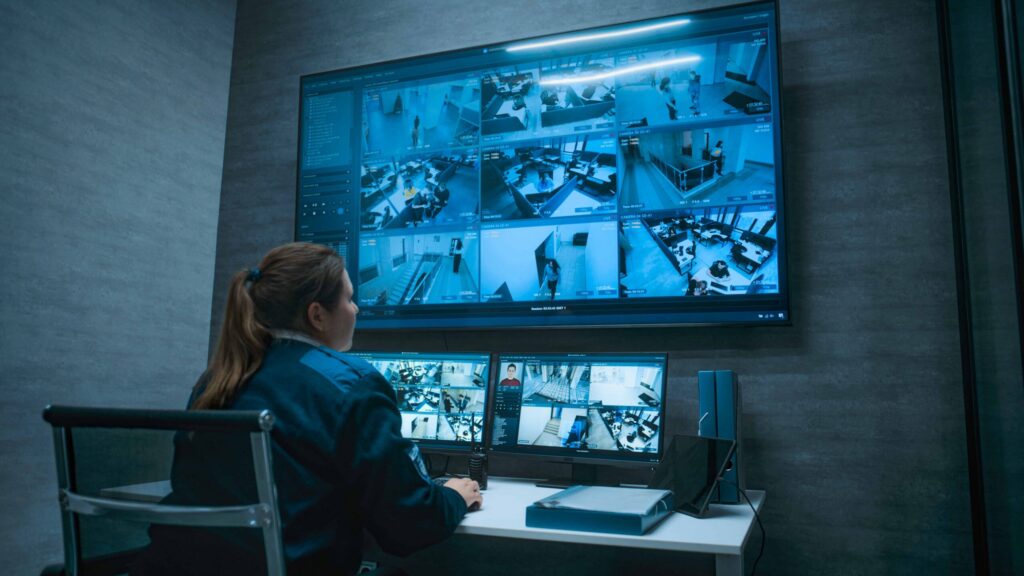
Employee monitoring has expanded far beyond simple security cameras. Many workplaces now use a combination of digital, physical, and behavioral tracking tools designed to follow workers’ movements and actions throughout the day. Employers justify these tools as a way to prevent theft, improve productivity, or ensure safety, but they often double as evidence in work injury cases.
Common types of workplace surveillance include:
- Security cameras in hallways, work areas, loading docks, and break rooms
- Video monitoring in warehouses and retail stores tracking employee movement
- GPS tracking on company vehicles
- Apps or devices that track location or activity levels
- Software monitoring keystrokes, computer use, or screen activity
- Badge swipes or time-stamp records
- Tools measuring productivity, scan rates, or task completion
Surveillance is also common in high-risk industries such as construction, manufacturing, logistics, and transportation. Employers may claim surveillance helps prevent accidents, but they often use it after the fact to dispute how an injury occurred.
For employees, it’s important to understand that surveillance is typically legal in Texas—but employers must be truthful about what they monitor. And if surveillance is used unfairly or selectively to blame injured workers, an attorney can challenge those tactics and bring forward evidence that benefits you.
How Monitoring Impacts Work Injury Claims
Surveillance can affect every stage of a work injury claim, from how the accident is reported to whether benefits are approved or denied. Employers sometimes use footage to argue that a worker was behaving unsafely or that the injury did not happen the way the employee described.
But that is only part of the story. Surveillance can also help workers by proving negligence or unsafe conditions.
Ways surveillance impacts injury claims:
- Footage may capture the accident itself
- Video may show unsafe conditions like spills, clutter, or broken equipment
- Recordings may reveal a pattern of ignored hazards
- Monitoring data may confirm that the worker was performing job duties correctly
- GPS or time logs can prove the worker was on the clock when the injury occurred
- Footage may show witnesses or supervisor behavior
- Video can contradict claims that the employee exaggerated or faked the injury
However, employers sometimes rely on partial footage or clips taken out of context. They may also refuse to hand over videos unless a lawyer demands them through formal channels.
Understanding how surveillance is used behind the scenes helps you anticipate your employer’s strategy and protect your rights.
Types of Surveillance Used Against Injured Workers
After an employee reports an injury, some employers begin monitoring even more closely.
This is especially common in non-subscriber workplaces where injury claims can lead to lawsuits. Employers may examine old footage, increase surveillance, or watch for any behavior they can use to discredit the worker.
Examples of surveillance used against injured employees include:
- Reviewing old video to find contradictions in the worker’s account
- Watching the employee’s movements after the injury
- Tracking clock-in and clock-out times for inconsistencies
- Monitoring productivity levels to argue the injury is not severe
- Using third-party investigators to observe workers outside the job
- Checking social media for physical activity
Employers may take surveillance out of context. For example, if an injured employee bends over once to tie a shoe or carries a light bag, a company may claim the worker’s injury is exaggerated—even if medical records clearly show otherwise.
This is why legal guidance is essential. A lawyer can explain how surveillance should be interpreted and ensure that employers do not misuse or distort evidence.
How Surveillance Can Help Your Claim Instead of Hurt It
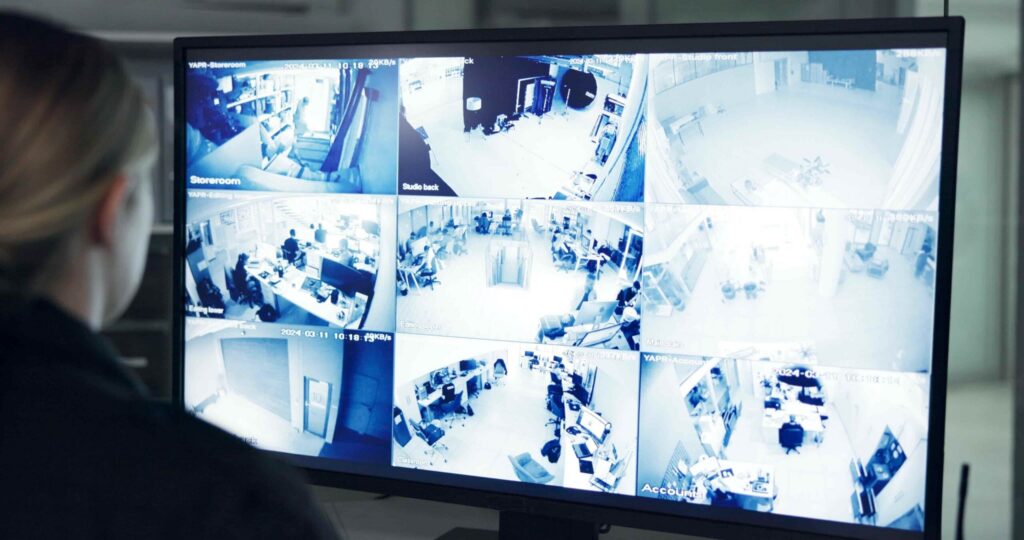
Although many workers worry about surveillance, video and digital records often strengthen the injury case.
These recordings can show exactly what conditions existed, whether the employer failed to fix known hazards, or whether supervisors pushed workers to rush through tasks without proper safety precautions.
Surveillance can help your claim by:
- Showing a spill, obstruction, or defective equipment that caused a fall
- Revealing insufficient staffing that led to rushed or unsafe working conditions
- Capturing a malfunctioning machine or tool
- Proving that the employee was following safety procedures
- Confirming that the worker’s injury occurred in the workplace
- Documenting that supervisors ignored warnings or complaints
Sometimes surveillance captures hazards days or weeks before the injury, proving that the employer knew about the problem and failed to address it.
When handled correctly, video footage can shift responsibility away from the worker and place it squarely on the employer. An attorney can review and interpret the footage to show the full context—not just the parts an employer wants to highlight.
Your Rights Regarding Workplace Monitoring in Texas
Texas generally allows employers broad freedom to monitor their workplaces. However, there are still legal boundaries employers must follow. Understanding these rights gives employees more confidence when dealing with surveillance issues after an injury.
Your rights include:
- The right to know what data is being collected (if required by policy)
- The right to challenge inaccurate surveillance interpretations
- The right to request relevant footage through legal channels
- Protection against retaliatory monitoring
- Protection against illegal audio recording
- Protection from surveillance in private areas such as bathrooms or locker rooms
Texas law does not require employers to inform workers about every type of monitoring, but secret audio recording is usually prohibited. Hidden cameras in private spaces are also illegal.
If surveillance footage is being used unfairly, selectively, or manipulatively, you have the right to challenge that evidence with the help of an attorney.
How Employers Misinterpret or Misuse Surveillance Footage
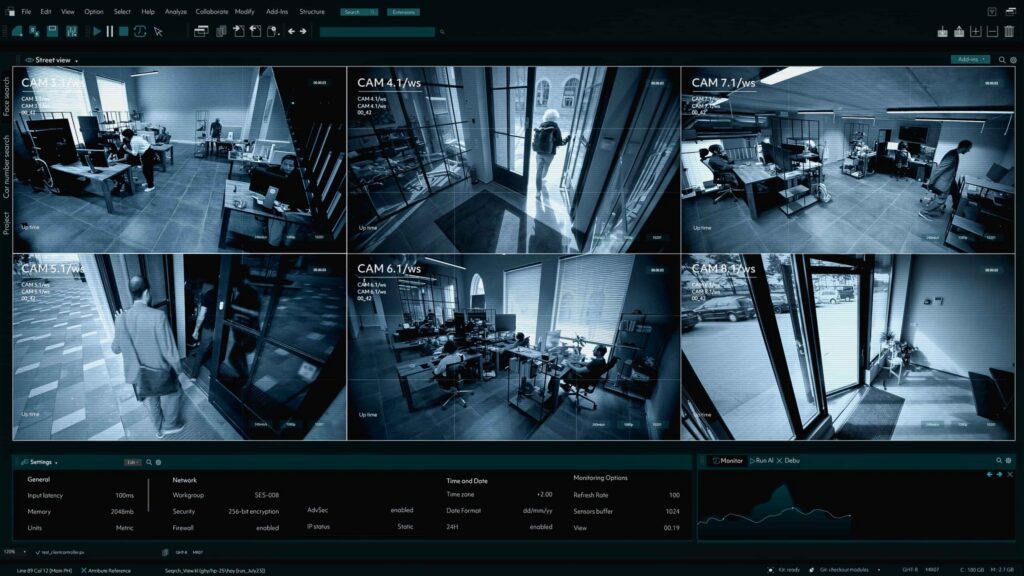
Employers often claim that surveillance provides “objective truth,” but footage can be misleading. Videos may show only part of an incident, a poor camera angle, or a selective timeline chosen by the employer.
Common examples of misuse include:
- Showing only a few seconds before or after the accident
- Ignoring other angles that show hazards
- Misrepresenting the employee’s movements or behavior
- Focusing on unrelated activity to claim the worker is exaggerating
- Withholding footage that proves negligence
A lawyer can demand full footage, not selective clips. They can compare timestamps, analyze camera angles, and uncover inconsistencies in the employer’s interpretation.
Give Us a Call Today
Workplace monitoring can be confusing, stressful, and deeply intimidating after an injury. But you do not have to navigate this alone.
If monitoring or footage is being used against you, or if you believe surveillance may support your injury claim, Terry Bryant Accident & Injury Law is ready to help. Call 936-213-6498 today to speak with an attorney who will protect your rights and guide you every step of the way.