Minor workplace injuries happen every day — small cuts, muscle strains, slip-and-catch moments, or soreness that appears after lifting or repetitive movements. Because these situations feel manageable, many workers convince themselves there’s no reason to report the issue.
They may worry about slowing operations, appearing overly cautious, or facing pushback from supervisors. Some fear being labeled as “accident prone,” while others simply want to finish their shift and move on. But even minor injuries have the potential to worsen, linger, or develop into long-term conditions that affect a person’s ability to work.
Reporting protects your health, creates documentation, and helps ensure that your workplace remains safe for everyone. Terry Bryant Accident & Injury Law understands how quickly a minor issue can turn into something more serious, and this article explains why reporting matters.
Key Takeaways
- Minor injuries often worsen over time, so early reporting protects your health.
- Reporting ensures an accurate record of when and how the injury occurred.
- Employers rely on injury reports to identify unsafe conditions.
- Waiting too long to report can create confusion or disputes later.
- Reporting gives you a foundation of documentation if symptoms escalate.
Why Minor Injuries Get Overlooked — and Why That’s a Problem

Many workers dismiss small injuries because they don’t want to disrupt their day or draw attention to themselves. Others fear being seen as weak or assume supervisors will downplay the issue. In fast-paced workplaces, people often keep moving to avoid holding up coworkers or missing deadlines. This mindset leads employees to “shake it off” even when the injury may be more significant than it seems.
The problem is that early symptoms rarely show the full picture. A slight twinge in your shoulder may become a persistent ache by the next morning. A small slip that didn’t result in a fall could still cause muscle spasms later. What feels minor during your shift may turn into something that limits movement, concentration, or your ability to safely do your job.
When injuries are ignored, workers may push through pain, increasing the risk of worsening the condition. Reporting ensures supervisors understand what happened, which can prevent similar incidents from affecting others.
How Reporting Protects Your Long-Term Health
Even minor injuries can mask deeper issues. Soft-tissue injuries, such as sprains, strains, or microtears, often worsen gradually. You might feel only mild discomfort at first, but inflammation and stiffness can build in the hours or days that follow. Without reporting the injury and monitoring its development, you may not recognize how serious it’s becoming until it interferes with your daily activities or ability to work.
Reporting helps create a timeline. If symptoms progress, your employer is aware the issue began on the job, and you can seek appropriate attention without having to prove when the injury occurred. Early reporting also encourages workers to pay attention to their symptoms rather than dismiss them.
In many cases, early acknowledgment prevents further damage because people become more cautious about lifting, bending, or repeating motions that aggravate the injury. Protecting your long-term health starts with acknowledging the moment something happens, even when it seems insignificant at the time.
The Importance of Documentation — Even for “Small” Incidents
Documentation is one of the most powerful reasons to report a minor injury. If the issue becomes more serious later, you need a clear record showing when and how the injury occurred. Without documentation, questions may arise about whether it happened at work or during personal activities.
When days or weeks pass, memories fade, witnesses forget details, and conditions at the workplace may change. Creating documentation establishes credibility if symptoms escalate. It also allows your employer to track injury patterns.
If several workers suffer similar minor strains or slips, it may indicate a larger safety issue. A documented report preserves essential details such as location, equipment used, tasks performed, and contributing hazards.
This information can prevent future accidents, support workplace improvements, and help protect your rights if your injury worsens. Failing to report leaves you without a foundation to rely on later.
How Reporting Helps Improve Workplace Safety Overall
Minor injuries are often signs of hidden workplace safety risks. A worker slipping slightly on a wet floor but catching themselves may indicate that the flooring needs attention. A small cut from equipment may highlight a maintenance issue or the need for protective gear.
When injuries go unreported, employers may never realize that problems exist. Reporting creates opportunities for employers to review conditions, address hazards, and retrain staff when needed.
It benefits everyone — not just the person injured. Many workplace improvements begin because someone spoke up about a seemingly small issue.
Employers who receive consistent reports can identify trends, allocate resources to fix dangers, and reduce injury rates for the entire team. Reporting minor incidents isn’t about causing trouble; it’s about ensuring a safer environment for everyone.
What Happens When You Wait Too Long to Report an Injury
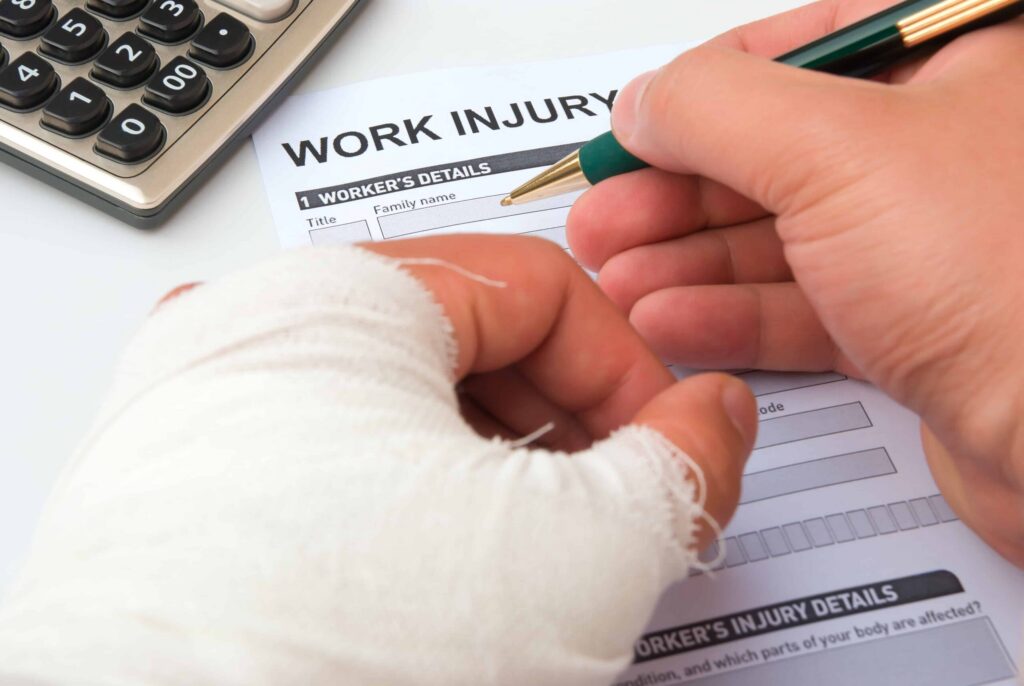
Delaying a report can create complications. When injuries worsen over time, the lack of an early report may raise questions about whether the injury actually happened at work.
Coworkers may not remember the moment the injury occurred, and supervisors may not have any record showing that an incident took place. This confusion can make it harder to explain the progression of symptoms or to show how the injury relates to job duties.
Waiting also increases stress. Workers may feel anxious about admitting they’re injured after the fact, worried that supervisors will question their motives. Early reporting avoids these complications.
It keeps the record clear, consistent, and easy to understand. When you report right away, everyone knows what happened, when it occurred, and how the injury began.
Why Reporting Protects You if Symptoms Change Over Time
One of the biggest misunderstandings about minor injuries is how often they evolve. A simple strain can turn into limited mobility; a small bump can lead to ongoing headaches; a seemingly harmless twist may later reveal ligament damage.
Many workers don’t realize the full extent of an injury until days or weeks after the incident. Without an initial report, connecting these new symptoms to the workplace becomes more difficult.
Reporting gives your employer a clear point of reference. If your condition worsens, you have documented proof that the issue started at work, even if you didn’t feel the full effects immediately.
This makes it easier to explain the progression of symptoms and ensures that no one questions whether the injury occurred on the job.
How Reporting Protects Coworkers From Future Incidents
Small injuries are often early warnings. A worker who slips once may not fall, but a coworker in the same spot later might. A minor cut from a tool may indicate dull blades or improper shielding.
When these events go unreported, the workplace misses opportunities to correct hazards that could injure others. Workers share environments, tools, and tasks, so one person’s close call is often a sign that everyone faces the same risks.
Reporting helps employers recognize unsafe trends before someone suffers a more serious injury. By speaking up, you’re not only protecting yourself — you’re contributing to a safer environment for your entire team.
How Injury Reporting Helps Employers Improve Training and Equipment
When injuries are reported, employers have the information they need to assess whether training, equipment, or workplace procedures are effective.
A minor injury involving machinery may show that workers need clearer instructions or refresher training. A repetitive strain injury could reveal that workstations need ergonomic adjustments.
Reporting gives employers insight into the real challenges workers face and helps them provide better tools, adjust workloads, update policies, or invest in safer equipment.
Why Reporting Helps Maintain Transparency and Communication

Healthy workplaces depend on honest communication. When injuries — even small ones — are reported promptly, it promotes transparency across all levels of the organization.
Supervisors know what occurred, coworkers understand potential risks, and the worker feels supported rather than isolated. This openness builds trust and encourages more accurate communication about safety concerns.
Transparency also signals that safety is a shared responsibility, helping workplaces become more proactive and informed.
Understanding That Reporting Is Not About Blame — It’s About Safety
Many workers hesitate to report injuries because they fear blame, criticism, or negative reactions. But injury reporting is not about pointing fingers.
It’s about acknowledging conditions that contributed to the incident and ensuring they don’t harm someone else. Reporting helps create an accurate picture so safety improvements can be made.
Why Delaying a Report Can Complicate Future Claims or Documentation
When an injury seems minor, it’s easy to put off telling anyone. But delaying a report can create real challenges if the injury worsens or begins affecting your ability to work.
Without timely documentation, questions may arise about when the injury occurred or whether it’s connected to your job duties.
Immediate reporting preserves clarity, accuracy, and your ability to protect yourself if symptoms progress.
Give Us a Call Today
If you suffered an injury at work — even a minor one — and later realized it was more serious than it first appeared, you don’t have to navigate the aftermath alone.
Terry Bryant Accident & Injury Law understands how fast small injuries can turn into long-term problems, and our team is here to help you understand your rights and options.
For clarity and trusted direction, give us a call today at Terry Bryant Accident & Injury Law.