When a worker is injured on the job, the immediate focus is on medical care and reporting the incident. But when it comes to proving how the injury occurred, few types of evidence are as powerful as witness testimony.
Whether the incident happened in a warehouse, retail store, construction site, restaurant, plant, delivery route, or office environment, witnesses often provide firsthand details that support the worker’s version of events—and challenge an employer’s attempt to deny responsibility.
Witnesses can confirm that hazards existed, safety protocols were ignored, equipment malfunctioned, or that the employee was performing required job duties correctly. They can also highlight patterns of unsafe behavior, rushed work environments, and systemic issues that employers may try to hide.
In work injury cases, the testimony of even one witness can be the difference between a denied claim and a successful recovery. This comprehensive guide explains why witnesses matter, who can serve as witnesses, and how their statements strengthen your case.
Key Takeaways
- Witnesses can significantly strengthen a work injury case by providing unbiased accounts of how the incident occurred.
- Both eyewitnesses and expert witnesses play unique and critical roles in proving negligence, unsafe work conditions, and the severity of injuries.
- Employers and insurance companies often challenge witness testimony to reduce liability, making early collection and preservation essential.
- Even without eyewitnesses, strong evidence—such as surveillance footage, maintenance logs, and medical documentation—can prove your claim.
- A skilled work injury attorney is vital for gathering testimony, protecting witness credibility, and ensuring all evidence is presented effectively.
Why Witnesses Are Crucial in Proving Workplace Negligence
Work injury claims often involve conflicting narratives. The injured employee may say one thing, and the employer or insurance company may say something else. In these situations, a neutral party’s observations can validate what truly took place.
Witnesses help prove:
- How the accident happened
- Whether safety protocols were violated
- What conditions existed at the time
- Whether the worker was performing required job duties
- If equipment or machinery malfunctioned
- Whether supervisors ignored warnings or known hazards
Employers frequently challenge claims involving:
- Slip and fall accidents
- Machinery malfunctions
- Falling objects
- Repetitive motion injuries
- Overexertion
- Unsafe work environments
Witnesses can back up your account of the accident and counter attempts to minimize, deny, or distort the facts. Their testimony often adds credibility because it comes from someone with nothing to gain personally.
Insurance companies often look for reasons to deny claims, such as alleged worker misconduct or claims that the injury occurred outside of work. Witnesses help close those gaps by providing clear, unbiased statements that support your version of events.
Ultimately, witness testimony strengthens your case by adding clarity, credibility, and detail that written reports alone cannot provide.
Types of Witnesses in Work Injury Cases
Not all witnesses are the same. In work injury cases, several different types of witnesses may provide testimony, each offering unique value.
1. Eyewitnesses
These are individuals who directly saw the accident occur. They provide firsthand accounts of what happened before, during, and immediately after the incident. Eyewitnesses can include coworkers, supervisors, vendors, or even customers.
2. Coworkers Who Observed Conditions
Even if they did not see the moment of injury, coworkers can confirm hazardous conditions, such as leaking fluids, broken equipment, overstocked shelves, outdated tools, or a history of policy violations.
3. Expert Witnesses
Expert witnesses include medical professionals, engineers, safety specialists, or ergonomics experts. They analyze evidence, interpret data, and explain technical details the average person may not understand.
4. Supervisor or Manager Witnesses
While their testimony may be biased, supervisors can still provide useful information about workplace procedures, staffing levels, and known risks.
5. After-the-Fact Witnesses
These witnesses did not see the accident but saw the aftermath—injuries, hazardous conditions, or employee distress. Their observations can support timelines and validate that the injury occurred on-site.
Each category of witness contributes a different layer of truth. When combined, they create a clear, thorough picture that strengthens the injured worker’s claim.
How Witness Testimony Strengthens a Work Injury Case
Witness statements can significantly shape the outcome of a work injury claim, especially when an employer attempts to undermine the worker’s version of events.
1. Establishing the Cause of Injury
Witnesses may describe the exact conditions that caused the injury, such as slippery floors, malfunctioning machinery, or improper lifting requirements.
2. Validating the Worker’s Behavior
Employers often argue that the worker was careless. Witnesses can confirm that the employee followed safety procedures and was performing expected job duties.
3. Challenging Employer Narratives
Employers may claim the hazard didn’t exist, the worker exaggerated symptoms, or the injury occurred off the clock. Witness testimony can directly challenge these claims.
4. Supporting Medical Evidence
If a witness saw swelling, bleeding, or immediate pain, their testimony supports medical reports and adds credibility to the injury’s severity.
5. Demonstrating Workplace Negligence
Witnesses can confirm whether complaints were ignored, safety rules were not enforced, equipment was outdated, or workloads were unreasonable.
What Makes a Good Witness?
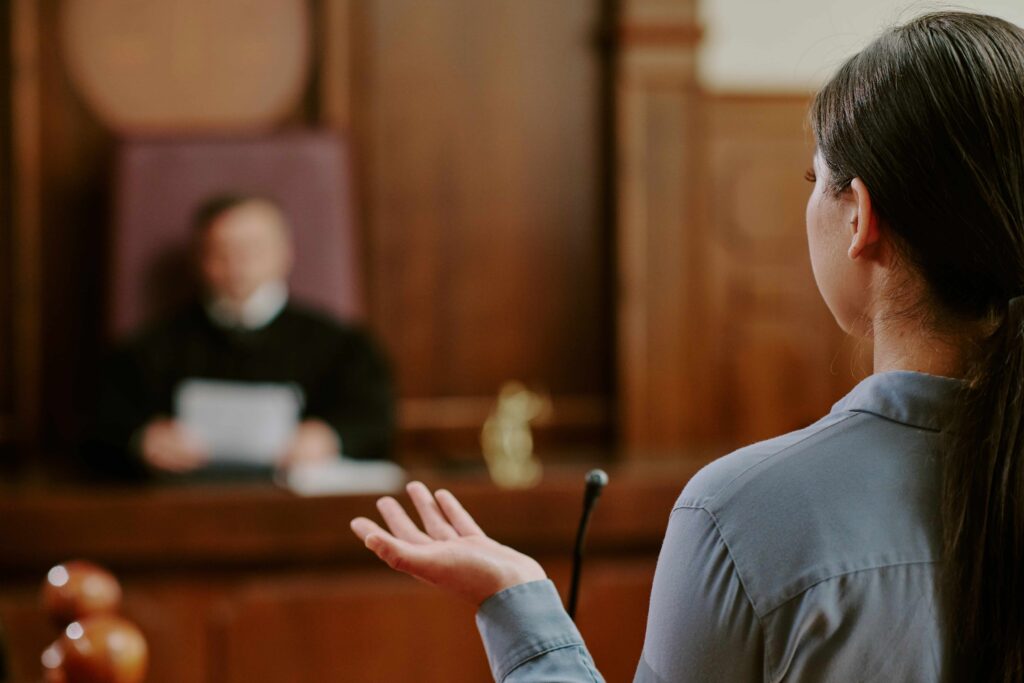
Not everyone who saw the accident will be a reliable witness. A strong witness is someone whose statement adds clarity, accuracy, and credibility to the case.
- Neutrality: Witnesses with no personal stake in the outcome are often seen as the most credible.
- Consistency: A witness should provide the same account when interviewed multiple times.
- Clear observations: Strong witnesses recall what they saw, heard, lighting conditions, surrounding hazards, and the worker’s behavior.
- Honesty: Exaggeration or speculation weakens testimony.
- Attention to detail: Precise descriptions help reconstruct the accident accurately.
Some witnesses may be reluctant to speak out of fear of retaliation, or their memory may fade over time. This is why securing witness information early is crucial.
Give Us a Call Today
If you suffered a workplace injury, witnesses can play a critical role in proving what really happened and protecting your right to compensation.
Terry Bryant Accident & Injury Law has the experience, resources, and strategic approach needed to gather and present powerful witness evidence on your behalf.
Call us today at (713) 973-8888 to speak with a member of our team and learn how we can help you move forward.