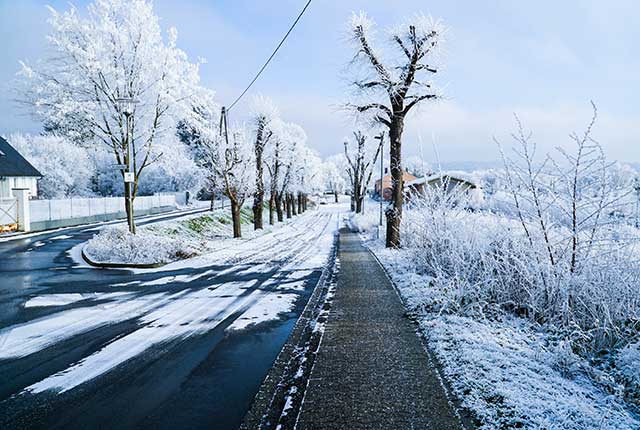
Those of us on the upper Texas Gulf Coast rarely experience extended periods of wintry cold and ice. But when we do get “sideswiped” by Old Man Winter, some of us refuse to alter our driving habits. So we …
- Drive the speed limit (or faster) on ice-covered roads, losing control of our vehicle. If you drive the speed limit on an icy road, you are a dangerous driver, which can lead to a speed accident lawsuit.
- Accelerate too fast at an intersection and go into a slide.
- Take a turn too fast and end up fish-tailing
- Drive too close to another vehicle and rear-end them or skid across the road when braking.
If the weather’s bad enough to close schools and businesses and turn bridges into ice rinks, it’s bad enough for us to take reckless driving accident lawsuit much more seriously. Winter driving exacerbates hazards and turns normal circumstances into terror-laden experiences. We should all be acutely aware of them and modify our normal driving behavior.
The Texas Department of Public Safety (DPS) also advises us when driving that to get to our destination safely in winter weather we need to do the following:
- In addition to slowing down, maintain at least three times the normal following distance on snow or ice – that’s up to three car lengths for every 10 mph you drive, not the typical one car length per 10 mph.
- Watch carefully for snow-removal equipment, and stay at least 200 feet behind sanding trucks.
- Drive extra cautiously on bridges, ramps, overpasses, and shaded areas, which typically freeze first.
- Be prepared to coast across ice and take your foot off the gas when you see an icy patch ahead of you (BUT DO NOT BRAKE).
- If you start to slide, ease off the gas or brakes. Steer into the direction of the skid until you regain traction, and then slowly straighten your vehicle. Avoid ANY sudden steering, braking, or accelerating actions.
The DPS also advises us to prepare our vehicles for winter by checking the battery, windshield wipers (including appropriate freeze-resistant fluid), tire pressure, and tread wear. But many forget to take a minute to lubricate car door and trunk locks to prevent freezing. Any silicone spray lubricant will do.
When traveling on highways in winter weather, plan for the possibility that you might be alone out in the countryside with a disabled vehicle.
Here is a list of emergency supplies you should have
- Blankets/sleeping bags
- Extra clothing, including gloves and a hat
- Cell phone (and portable charger), radio, flashlight, and extra batteries
- First-aid kit and pocket knife
- High calorie, non-perishable food (energy bars, trail mix, etc.) and bottled water
- Bag of sand or cat litter to provide traction for tires
- Windshield scraper, basic tool kit, booster cables, tow rope/chain, and a shovel
- If you pack a few empty tin cans, candles, and a lighter, you’ve got some great hand warmers!
And when driving, here are a few things to do to keep ahead of any weather-related emergencies.
- Monitor local weather broadcasts and follow up-to-the-minute weather conditions.
- Allow extra time when traveling in inclement weather.
- Avoid traveling when sleet, freezing rain, hail, or snow is predicted, and monitor road conditions by visiting www.drivetexas.org or by calling 1-800-452-9292.
- Watch for downed trees and power lines across roads.
- If power is out, treat all intersections as four-way stops.
- If you will be away from home for a long period of time, set your thermostat to 55 degrees or higher and open cabinets under sinks.
Finally, if the weather becomes too dangerous, then find a motel and warmly wait the weather out. That rented room will cost about as much as an emergency tow job and you don’t have to freeze in your car waiting the many hours it might take for the tow truck to arrive.
If you’ve been injured by a negligent driver on an icy Texas road, the legal team of the accident and injury law office of Terry Bryant can help you receive the fair compensation you deserve. Contact us anytime to arrange your free case evaluation. And no matter what the conditions are, always drive carefully!
Attorney Terry Bryant
 Terry Bryant is Board Certified in personal injury trial law, which means his extensive knowledge of the law has been recognized by the Texas Board of Legal Specialization, setting him apart from many other injury attorneys. The 22 years he spent as a Municipal Judge, Spring Valley Village, TX also provides him keen insight into the Texas court system. That experience also helps shape his perspective on personal injury cases and how they might resolve. This unique insight benefits his clients. [ Attorney Bio ]