What Causes Most Slip and Fall Accidents in Houston?
Slip and fall accidents in Houston are typically caused by unsafe property conditions such as wet floors, uneven surfaces, poor lighting, or a lack of maintenance.
- Wet or slippery floors are one of the leading causes of these accidents
- Uneven sidewalks, cracked pavement, or loose flooring create tripping hazards
- Poor lighting can make dangerous conditions harder to see
- Cluttered walkways or obstacles increase the risk of falls
- Lack of regular maintenance often allows hazards to go unaddressed

Slip and fall accidents can happen in everyday places like grocery stores, apartment complexes, or parking lots. Many of these incidents occur without warning, even in areas people assume are safe.
The short answer is that most slip and fall accidents happen when property owners fail to fix or warn about dangerous conditions.
When hazards are ignored or not addressed in time, the risk of injury increases significantly.
Under Texas law, property owners have a responsibility to maintain reasonably safe conditions. When that responsibility is not met, it may affect how a premises liability claim is evaluated.
Key Takeaways for Slip and Fall Accidents in Houston
- Texas premises liability law requires property owners to maintain reasonably safe conditions for lawful visitors.
- Wet or slippery floors, uneven surfaces, and poor lighting are among the most common causes of slip and fall injuries in Houston.
- The condition of the property and whether the owner knew (or should have known) about the hazard are central to most Houston slip and fall claims.
- Texas follows a modified comparative fault rule, meaning an injured person's own level of fault may reduce or bar recovery.
- Most slip and fall claims must be filed within 2 years of the date of the accident under Texas law. (*Always speak directly to an attorney for the exact deadlines that apply to your potential claim.)
The Most Common Causes of Slip and Fall Accidents in Houston
Slip and fall accidents do not happen randomly. Most are tied to identifiable hazards that a property owner created or failed to address.
Understanding these causes matters because negligence, not just the fall itself, is what drives a premises liability claim.
Wet and Slippery Floors
Wet floors are the leading cause of slip and fall accidents in Houston commercial properties. Spilled liquids, freshly mopped floors, leaking refrigeration units, and rainwater tracked in from outside all create hazardous walking surfaces.
When property owners or their employees fail to place wet floor signs or dry a surface within a reasonable time, an injury victim may have grounds to hold them accountable.
In retail stores, restaurants, and supermarkets throughout Houston, these conditions are especially common during heavy rainfall seasons.
The length of time a hazard was present before the accident often plays a significant role in determining liability.
Uneven or Damaged Walking Surfaces
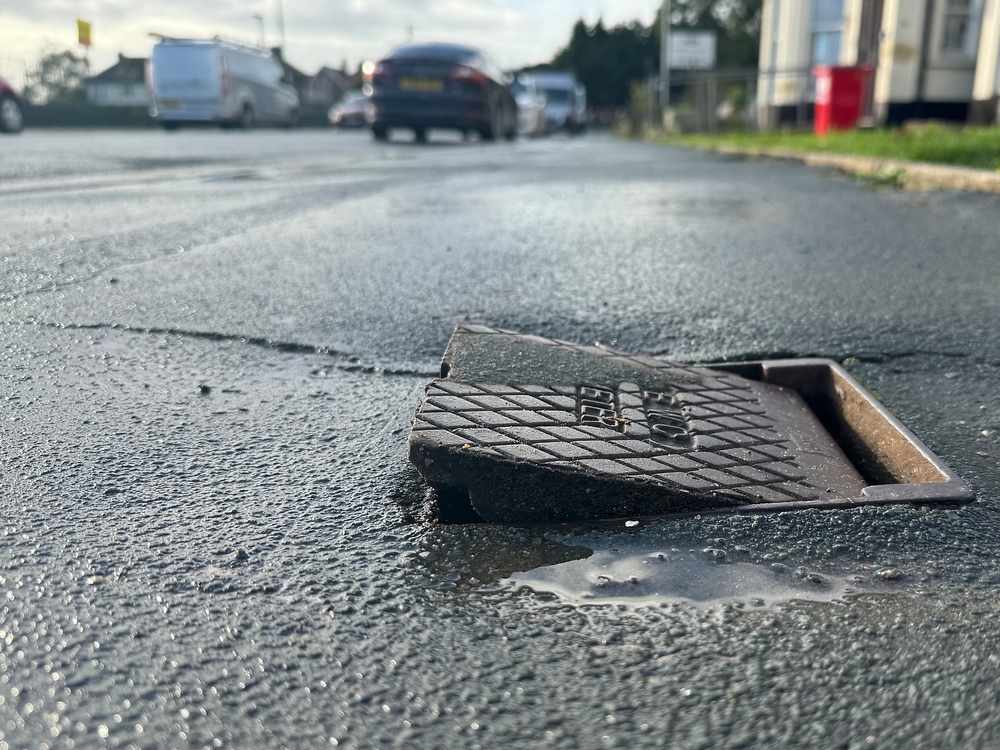
Cracked sidewalks, uneven parking lots, broken pavement, and raised flooring transitions are persistent hazards across Houston properties.
Property owners are responsible for maintaining walkways in a reasonably safe condition, which includes repairing known damage and inspecting surfaces regularly.
When a visible defect is left unaddressed, a fall that results from it may be tied directly to the owner's failure to act.
Trip hazards at the entrance of a building, in parking garages, or along pedestrian walkways are among the most frequently documented causes of premises liability claims in Harris County.
Inadequate Lighting
Poor lighting makes it difficult for visitors to identify hazards. Stairwells, parking lots, hallways, and exterior walkways with burned-out or missing lights significantly increase the risk of a fall.
Property owners who ignore maintenance requests or fail to inspect lighting systems may be found negligent when a visitor is injured in a poorly lit area.
The role of inadequate lighting in a claim often depends on whether the hazard would have been visible under proper conditions.
Negligent Maintenance and Housekeeping
Cluttered aisles, debris in walkways, and failure to address known hazards are recurring issues in both commercial and residential properties across Houston.
When a property owner or their staff receives notice of a dangerous condition and fails to correct it within a reasonable time, the owner may bear legal responsibility for injuries that follow.
Maintenance records and incident reports can become important documentation in these situations.
Defective or Absent Safety Features
Missing handrails on staircases, broken steps, non-compliant flooring materials, and absent guardrails are structural deficiencies that may contribute to fall accidents.
In apartment complexes, shopping centers, and office buildings throughout Houston, these conditions often reflect a pattern of deferred maintenance rather than a one-time oversight.
The absence of a required safety feature may be directly relevant to how fault is evaluated in a claim.
Most Common Causes of Slip and Fall Accidents
| Causes | Data |
|---|---|
| Wet / Slippery Floors | 55% of workplace slip and falls are caused by poor walking surfaces |
| Same-Level Falls (no elevation) | The majority of all slip and fall incidents |
| Services, Wholesale & Retail Settings | Account for 60% of all slip and fall accidents |
| Falls resulting in 10+ days away from work | 50% of same-level falls |
| Falls causing serious injury (broken bones, etc.) | 37% required medical treatment |
| ER visits annually from slip and fall | Over 8 million |
| Workplace deaths from falls (2024) | 844 workers / 17% of all workplace deaths |
How Texas Premises Liability Law Applies to Slip and Fall Cases in Houston
Texas law governs how property owners are held responsible for injuries that occur on their premises. The legal framework depends on the type of visitor involved and what the property owner knew about the hazard.
The Role of Visitor Status in a Houston Slip and Fall Claim
Texas law classifies visitors into categories that affect the level of care a property owner owes. Invitees, such as customers at a Houston retail store or restaurant guests, receive the highest level of protection.
Property owners owe invitees a duty to inspect for and repair hazardous conditions or warn of dangers they cannot immediately fix.
Licensees, such as social guests, receive a lower standard of care. Trespassers generally receive the least protection, with limited exceptions for children under the attractive nuisance doctrine.
What "Knew or Should Have Known" Means in These Cases
Texas premises liability law requires that an injured person show the property owner either created the hazardous condition, knew about it and did nothing, or should have discovered it through reasonable inspection.
This standard is often the center of a slip and fall dispute. Evidence such as employee testimony, surveillance footage, maintenance logs, and prior incident reports may help establish what the property owner knew and when.
Comparative Fault and How It Affects Houston Slip and Fall Claims
Texas follows a modified comparative fault rule under Chapter 33 of the Texas Civil Practice and Remedies Code.
If a person is found to be 51% or more at fault for their own injuries, they may be barred from recovering any compensation.
If they are found to be 50% or less at fault, their recovery is reduced proportionally by their percentage of fault.
Insurance adjusters often raise comparative fault arguments to reduce or eliminate payouts, making documentation of the accident scene and conditions critically important.
What Documentation May Help Support a Slip and Fall Claim in Houston
Building a premises liability claim requires more than showing the fall occurred. The documentation gathered after an accident may significantly influence how a claim is evaluated.
- Photographs of the hazardous condition taken at the scene, including the floor surface, lighting conditions, and any signage or lack thereof
- The official incident report filed with the property owner or manager at the time of the accident
- Names and contact information of witnesses who observed the fall or the condition that caused it
- Medical records that connect the injuries to the fall and reflect the scope of required care
- Surveillance footage, if available, which may show how long the hazard was present before the fall
- Personal notes documenting how injuries have affected daily activities, work, and quality of life
When this type of documentation is available at the time of a legal consultation, it allows for a more thorough evaluation of the case and what options may be available.
Ask Terry Bryant Accident & Injury Law

These are the questions our Houston team hears most from people researching their slip and fall situation.
Q: Who is responsible if I slip and fall in a Houston parking lot? A: The property owner or the business that controls the parking lot may be responsible if a hazardous condition, such as a pothole, standing water, or broken pavement, caused the fall. Liability depends on whether the owner knew or should have known about the defect and failed to fix it or warn visitors. If the lot is managed by a third-party contractor, that party may also share responsibility.
Q: What if I fell at an apartment complex in Houston? A: Apartment complex owners and property management companies have a duty to maintain common areas in a reasonably safe condition for residents and guests. Falls caused by broken steps, missing handrails, poor exterior lighting, or wet entryways may be tied to the complex's failure to address known maintenance issues. Lease agreements and maintenance request records often become relevant in these cases.
Q: How do I know if the property owner was actually at fault for my fall? A: Fault in a Houston slip and fall case generally depends on whether the property owner created the hazard, knew it existed, or should have found it through routine inspection. If the condition had been there long enough that a reasonable owner would have discovered and addressed it, fault may be established. An attorney can evaluate the specific circumstances, available evidence, and applicable Texas standards to assess whether a claim may be viable.
Q: Can I still file a claim if I was partially at fault for the fall? A: Texas law allows a person to pursue compensation even if they share some responsibility for the fall, as long as their percentage of fault does not exceed 50%.
However, the recovery amount is reduced by the percentage of fault assigned to them. Because insurance companies often argue shared fault to reduce their liability, having strong documentation of the hazardous condition matters significantly.
Do I Need a Lawyer for a Slip and Fall Accident in Houston?
Not every fall results in a viable premises liability claim, and not every claim requires immediate legal representation. However, slip and fall cases in Houston often involve complex questions about property ownership, notice of the hazard, and disputed fault that become difficult to navigate without legal guidance.
When Consulting an Attorney May Help a Houston Slip and Fall Case
An attorney consultation may be worthwhile when injuries are serious, when the property owner or their insurance company disputes liability, or when evidence at the scene is at risk of being lost. Early legal involvement may help preserve surveillance footage, accident reports, and witness accounts before they become unavailable.
What the Legal Process May Look Like for a Slip and Fall in Houston
Houston slip and fall claims typically begin with an investigation into how the accident occurred and who bears responsibility. From there, a demand may be made to the property owner's insurer. If a fair resolution is not reached, the claim may proceed to litigation.
The timeline varies by case, and there is no guaranteed outcome. What matters most is the quality and completeness of the evidence supporting the claim.
How Our Firm Approaches Slip and Fall Cases in Houston
At Terry Bryant Accident & Injury Law, our team reviews the circumstances of each slip and fall accident individually. We look at how the hazard formed, whether the property owner had a reasonable time to address it, and how the injury has affected the client's life.
We handle premises liability cases on a contingency fee basis, meaning there are no upfront legal fees. We offer confidential consultations in English and Spanish 24/7/365.
Slip and Fall Accident Questions Answered by Our Houston Attorneys
What is the statute of limitations for a slip and fall claim in Houston?
Most personal injury claims in Texas, including slip and fall cases, must be filed within 2 years of the date the injury occurred. (*Always speak directly to an attorney for the exact deadlines that apply to your potential claim.) Waiting beyond this deadline may bar recovery entirely, regardless of the strength of the evidence.
There are limited exceptions, such as cases involving minors or situations where the injury was not immediately discovered, but these exceptions are narrow.
Does a business have to put up a wet floor sign to avoid liability?
A wet floor sign is one way a property owner can warn visitors of a hazard, but placing a sign does not automatically eliminate liability.
If the sign was positioned in a way that did not reasonably warn approaching visitors, or if the area remained wet for an unreasonably long time despite the sign, liability may still exist.
Conversely, the absence of a sign where one was clearly warranted is strong evidence of negligence.
Can I file a slip and fall claim against a government property in Houston?
Claims against government entities in Texas, such as the City of Houston or Harris County, involve different procedural rules and shorter deadlines. (*Always speak directly to an attorney for the exact deadlines that apply to your potential claim.).
Texas law requires that a formal notice of claim be filed with the relevant government entity within a specific timeframe before a lawsuit can proceed.
These cases also involve limitations on the types of damages available. Speaking with an attorney promptly is especially important when a government property may be involved.
What if the hazard that caused my fall was something I should have seen?
Texas law does not require hazards to be completely hidden to support a premises liability claim.
Even if a condition was visible, the property owner may still be liable if they failed to address it within a reasonable time or if the location or context made it unlikely that a visitor would notice and avoid it.
Comparative fault may be raised, but a visible hazard alone does not automatically defeat a claim.
Does it matter if I signed a waiver before entering the property?
Waivers can complicate a premises liability claim, but they do not always bar recovery. Texas courts evaluate whether a waiver was clearly written, whether the injured person had a meaningful opportunity to review it, and whether it covers the specific type of negligence involved.
A signed waiver does not automatically eliminate a property owner's responsibility for gross negligence or intentional misconduct.
You Already Know Something Is Wrong. That Is Enough to Start.
You do not need to know Texas law or have every piece of evidence organized before reaching out. Most people who contact us after a slip and fall are still processing what happened, managing appointments, and wondering whether what they experienced was serious enough to matter legally.
It was. And you deserve to hear an honest assessment of your situation from people who handle these cases every day in Houston.
Our team at Terry Bryant Accident & Injury Law offers free and confidential consultations in English and Spanish. There are no upfront fees, and no obligation to move forward after we speak. Call now at (713) 973-8888 or toll-free 1 (800) 444-5000. We are here.