Elevator and escalator accidents can result in catastrophic or fatal injuries, particularly when safety systems fail or maintenance is ignored. In Texas, proving liability in these serious incidents requires more than simply showing that an injury occurred. You must present clear, detailed evidence to support your claim, especially when dealing with property owners, manufacturers, or maintenance companies.
If your injuries are life-altering or your loved one was killed in such an accident, building a strong case with the right evidence is essential. This guide walks you through the types of evidence that can support an escalator or elevator injury claim in Texas and sets you on the path to pursuing full and fair compensation.
Request Your Free Consultation
Key Takeaways
- An experienced legal team can help uncover every possible source of liability and support your recovery.
- Elevator and escalator injuries often involve multiple liable parties, including property owners, contractors, or manufacturers.
- Proving fault requires clear, detailed evidence such as maintenance records, witness statements, and expert opinions.
- Surveillance footage and medical documentation can significantly strengthen your claim.
- Common injuries range from broken bones to paralysis and wrongful death.
- Compensation may include medical costs, lost income, emotional harm, and future care needs.
- Texas law gives you two years to file a claim, but acting sooner can preserve vital evidence.
Proving Fault in Texas Elevator and Escalator Accidents
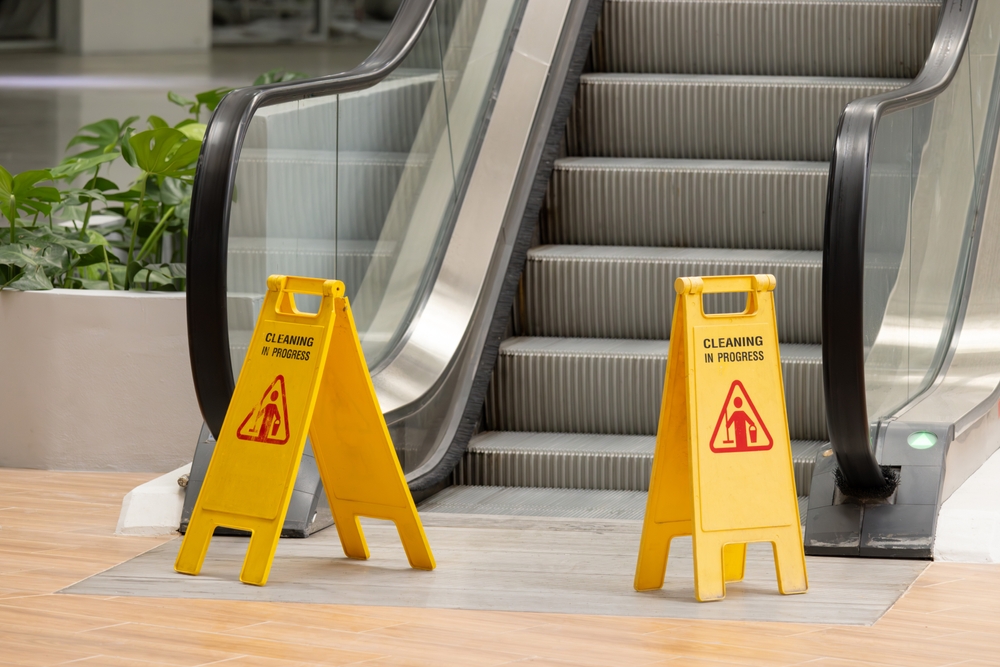
Establishing liability is the foundation of any personal injury claim, particularly when the damages are severe. In elevator and escalator injury cases, responsibility may fall on multiple parties, including building owners, maintenance contractors, and equipment manufacturers.
To support your case, your personal injury attorney must show that someone else's negligence, whether through faulty design, poor maintenance, or lack of inspection, directly caused the injury.
Key elements of a strong liability claim include:
- Proof of a hazardous condition or equipment malfunction
- Evidence that the responsible party knew or should have known about the danger
- A direct link between the hazard and the injuries suffered
- Documentation of the severity and long-term impact of those injuries
With the right evidence in place, even the most challenging case can lead to meaningful compensation that helps you move forward.
Types of Evidence That Can Strengthen Your Claim
Every case is different, but certain categories of evidence are commonly used in serious elevator or escalator injury claims. The more documentation you can gather early, the better positioned your legal team will be to advocate for you.
Inspection and maintenance records
Texas building owners and property managers are required to follow state inspection schedules and safety standards outlined by the Texas Department of Licensing and Regulation (TDLR). Maintenance logs, inspection reports, and service contracts can show whether the responsible parties upheld these duties or failed to.
Surveillance footage
Video evidence is often critical in showing exactly how the incident occurred. In large buildings, malls, or hospitals where cameras are common, capturing the event on film can clarify timelines and reveal dangerous mechanical failures or sudden malfunctions.
Eyewitness accounts
Statements from people who saw the accident or the conditions leading up to it can support your version of events. Witnesses may be able to confirm warning signs that were ignored, such as jerky elevator movement or missing safety signage.
Medical documentation
Detailed medical records, including diagnoses, treatment plans, surgical reports, and long-term prognosis, establish the full extent of harm. In cases involving permanent disability or loss of life, this evidence is often a central part of the claim.
Expert testimony
Engineering experts can explain what went wrong with the equipment, while medical experts can speak to the severity of the injuries. These opinions are especially important in cases involving brain trauma, spinal injuries, or fatal accidents where damages are substantial and the stakes for the victim and the family are high.
Common Injuries in Elevator and Escalator Accidents

When heavy machinery like elevators and escalators malfunctions in motion, the results can lead to life-altering or fatal outcomes. Serious injuries linked to these accidents may include:
- Traumatic brain injuries from sudden stops or falls
- Spinal cord damage resulting in partial or complete paralysis
- Crush injuries, including limb amputation
- Fractures of the pelvis, legs, or arms
- Severe lacerations or internal injuries
- Fatal blunt force trauma
Many of these injuries require lifelong medical care and result in permanent disability. In the most tragic cases, they lead to wrongful death.
Compensable Damages in Texas Elevator Injury Claims
Victims of severe elevator or escalator injuries and their families may be entitled to a broad range of damages under Texas law. Compensation can reflect both financial losses and emotional tolls, especially when the injuries are catastrophic.
Examples of compensable damages include:
- Medical expenses (past and future)
- Costs of rehabilitation, long-term care, or assistive devices
- Lost wages and reduced earning capacity
- Pain and suffering
- Emotional distress
- Loss of companionship in fatal injury cases
- Funeral and burial costs when a death occurs
Texas does not impose a cap on most personal injury damages, but you will need compelling evidence and strategic legal advocacy to support a high-value claim.
Frequently Asked Questions
What is the deadline to file a serious injury claim in Texas?
The Texas statute of limitations for personal injury and wrongful death cases generally allows two years from the date of injury to file a claim. However, certain exceptions may apply to your case depending on the circumstances, so seeking legal guidance as soon as possible is recommended.
Can a property owner be held liable if an escalator was improperly maintained by a third party?
Yes. Property owners are responsible for ensuring the safety of their premises, even if maintenance is outsourced. Liability may also be shared with the maintenance provider.
What if the manufacturer is at fault for a design flaw?
In that case, a product liability claim may be appropriate. Your attorney may pursue legal action against the manufacturer for defects in design, manufacturing, or warning that caused or contributed to an accident.
How much does it cost to hire a serious injury attorney?
Terry Bryant Accident & Injury Law works on a contingency fee basis. That means you pay nothing upfront, and fees only apply if we recover compensation for you.
Get Legal Help for a Serious Elevator or Escalator Injury in Texas

If you or a loved one has suffered a life-changing injury in an elevator or escalator accident in Texas, you need an experienced legal team that understands what’s at stake. At Terry Bryant Accident & Injury Law, our experienced personal injury lawyers have spent over 40 years helping injured Texans and their families obtain maximum compensation for all they’ve endured.
Our firm has recovered over $1 billion for clients, and we’re proud to have a Board Certified personal injury trial lawyer leading our team. We have the skill, resources, and determination to take on property owners, maintenance contractors, and manufacturers when their negligence causes serious harm.
We serve clients across Houston and throughout Texas. Call us today at (713) 973-8888 or contact us online for a free consultation. Let us put our knowledge and experience to work for you.