In Texas, slip-and-fall liability for a property owner depends on whether a dangerous condition on the property created an unreasonable risk of harm, whether the owner knew or should have known about it, and whether they failed to fix it or warn visitors in time.
The owner’s duty of care changes based on whether the injured person was an invitee, licensee, or trespasser, and Texas’s comparative negligence rules can reduce or bar recovery if the injured person shares too much of the blame.
For someone hurt in a fall in Houston, understanding these rules helps clarify whether a property owner, business, or another party may be responsible for medical bills, lost income, and pain and suffering.
If you suffered a slip and fall injury in Texas and are unsure whether a property owner may be liable, a free and confidential consultation with a Houston premises liability attorney can help you understand how these rules apply to your situation and what that means for your options.
Request Your Free Consultation
Key Takeaways About Slip and Fall Liability in Texas
- Slip-and-fall liability in Texas often turns on a 3-part negligence test: an unreasonably dangerous condition, the owner’s awareness of it, and a failure to fix or warn.
- The property owner’s duty of care depends on whether the injured person was an invitee, licensee, or trespasser.
- Texas uses modified comparative negligence, so a victim can still recover damages if they are less than 51% at fault, though their compensation may be reduced.
- Property owners and insurers frequently rely on the “open and obvious” defense, arguing the hazard should have been seen and avoided.
- A premises liability lawyer can investigate the scene, gather evidence, and build the case needed to prove negligence under Texas law.
What Does a Property Owner Have to Do to Prevent Slip and Fall Injuries?
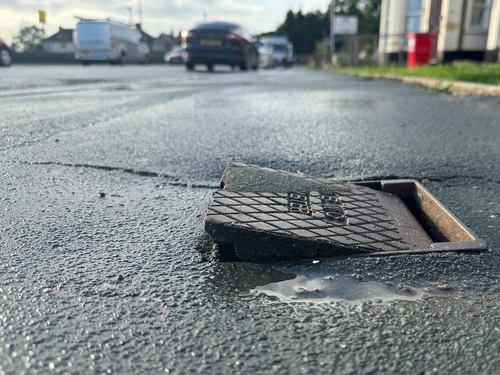
A property owner’s duty of care in a Texas slip and fall case is to use reasonable care to keep the premises safe for certain visitors or to warn about hazards that are not obvious.
That duty includes monitoring the property, fixing dangerous conditions within a reasonable time, and posting warnings when hazards cannot be addressed right away.
In practical terms, this can involve regularly inspecting floors for spills, repairing broken steps or handrails, improving lighting, and ensuring staff respond appropriately to reports of hazards.
When that does not happen, and someone is hurt, the owner’s actions, or lack of action, become central to a premises liability claim.
The 3‑Part Negligence Test in Texas Slip and Fall Cases
To hold a property owner responsible for a slip and fall in Texas, the injured person usually must show 3 key elements:
Unreasonable risk of harm
There must have been a condition on the property that posed more than a minor or everyday risk. Examples include:
- Liquid spills on store floors
- Torn or loose carpeting
- Broken steps or missing handrails
- Uneven walking surfaces or hidden holes
- Poor lighting that hides hazards
Courts look at whether a reasonable person would view these conditions as creating a serious tripping or slipping hazard, not just an everyday inconvenience.
Owner knowledge or constructive knowledge
The owner or occupier must have known about the condition or should have discovered it through reasonable inspection. This can involve:
- Actual knowledge, such as a prior complaint or a worker seeing the hazard
- Constructive knowledge, where the condition existed long enough that the owner should have found it if they had reasonable inspection practices
This element focuses on whether the hazard was on the property long enough, or was reported clearly enough, that a careful owner should have addressed it before someone got hurt.
Failure to remedy or warn
After learning of the hazard, the owner failed to fix it within a reasonable time or did not give adequate warning. That might mean they:
- Did not clean up a spill
- Failed to put out warning signs or cones
- Delayed repairing a known defect
When an owner has notice of a dangerous condition and still leaves it in place without repairs or clear warnings, that inaction can form the basis of a premises liability claim under Texas law.
What Is an Invitee, Licensee, or Trespasser Under Texas Premises Liability Law?
Texas law treats visitors differently depending on their status at the time of the fall. Understanding whether you were an invitee, licensee, or trespasser helps define the property owner’s duty.
Invitee
An invitee is typically someone on the property for the mutual benefit of both parties. Examples may include:
- Shoppers in a grocery store or mall
- Guests at a hotel or restaurant
- Customers at a bank or office
Owners owe invitees the highest duty of care. They must use reasonable care to inspect the premises, fix dangerous conditions, and warn about hazards they know or should know about.
Licensee
A licensee is someone who is allowed on the property, but not for business reasons. Common examples:
- Social guests at a home
- Friends visiting a private property
For licensees, the owner must warn of known hazards that are not obvious, but there is usually less duty to inspect for unknown dangers.
Trespasser
A trespasser is someone on the property without permission. In most situations, property owners owe trespassers only a limited duty not to intentionally harm them or act with gross negligence. There are special rules for children in some situations, such as attractive nuisance scenarios, but those are more specific cases.
Because duty varies significantly based on a person's status, clarifying whether someone was an invitee, licensee, or trespasser can be a critical part of a Texas slip-and-fall case.
How Do You Prove a Property Owner Was Negligent in a Slip and Fall in Houston?
Proving slip-and-fall negligence in Houston often requires detailed evidence about the condition of the property, how long the hazard existed, and what the owner did or did not do in response. The goal is to connect the dangerous condition to the fall and show how the owner’s conduct fell short of reasonable care.
Useful evidence can include:
- Photos or videos of the hazard and the surrounding area
- Incident reports and internal emails from the business or property owner
- Surveillance footage showing how long the hazard was present
- Maintenance logs and cleaning schedules
- Witness statements about the condition and any prior complaints
- Medical records documenting injuries and how the fall occurred
An attorney can gather and preserve this information, often before it disappears or becomes difficult to obtain, and then present it in a way that fits within the Texas premises liability framework.
How Does Comparative Negligence Affect Slip and Fall Claims in Texas?
Texas follows a modified comparative negligence rule. This means that an injured person can still recover damages even if they were partly at fault, as long as their percentage of responsibility does not exceed 50%.
If a court or insurance company determines that you were more than 50% to blame, you typically cannot recover compensation.
If you are found partly at fault but under the 51% threshold, your recovery may be reduced by your share of responsibility. For example, if your damages are valued at a certain amount and you are found 20% at fault, the compensation might be reduced by that same percentage.
In slip and fall cases, property owners and insurers often claim that the victim was distracted, wearing inappropriate footwear, or ignored obvious signs. An experienced legal team, like Terry Bryant Accident & Injury Law, works to counter these arguments and keep the focus on the owner’s duty and the hazardous condition.
What Is the “Open and Obvious” Defense in Texas Slip and Fall Cases?
Property owners and insurers frequently argue that a hazard was “open and obvious” and that a reasonable person would have seen and avoided it. They use this defense to claim that they had no duty to warn about the condition or that the injured person should bear most of the responsibility.
Examples of conditions that might be labeled “open and obvious” include:
- Brightly colored spills in plain view
- Large objects blocking a walkway
- Clearly visible steps or changes in elevation
However, there are situations where this defense may not hold up, such as:
- When the hazard is difficult to see because of lighting, glare, or distractions created by the property itself
- When a visitor reasonably focuses attention elsewhere, such as on products in a store or instructions from staff
- When the property layout or design funnels people directly into a dangerous area
Evaluating whether a hazard was truly open and obvious under Texas law often requires careful review of the scene and how a typical visitor would encounter it.
How a Houston Premises Liability Attorney Investigates Slip and Fall Cases

Slip and fall claims may seem straightforward, but Texas premises liability rules and defenses can make them complex. A Houston premises liability attorney can take on the investigative work and legal analysis that most injured people do not have the time or energy to manage.
An attorney may:
- Visit the location of the fall, photograph conditions, and look for surveillance cameras
- Request incident reports, maintenance records, and inspection logs from the property owner or business
- Interview witnesses and, when needed, work with experts in safety, building codes, or human factors
- Analyze how visitor status, duty of care, and comparative negligence apply to the specific facts
- Deal with insurance adjusters who may try to minimize the claim or deny liability
This type of investigation helps build a clear picture of how and why the fall occurred and which legal arguments are most likely to succeed under Texas law.
Frequently Asked Questions About Construction Accidents
How do I know if a property owner is liable for my slip and fall in Texas?
Liability usually depends on whether there was a dangerous condition, whether the owner knew or should have known about it, and whether they failed to fix it or warn you. Your status as an invitee, licensee, or trespasser also affects the owner’s duty of care.
What if I fell at a store or hotel in Houston?
Falls on commercial property are common premises liability cases. The owner or operator may be responsible if they did not reasonably inspect the property, clean up spills, or repair hazards that posed a risk to customers. An attorney can review store policies, cleaning logs, and camera footage to see what happened.
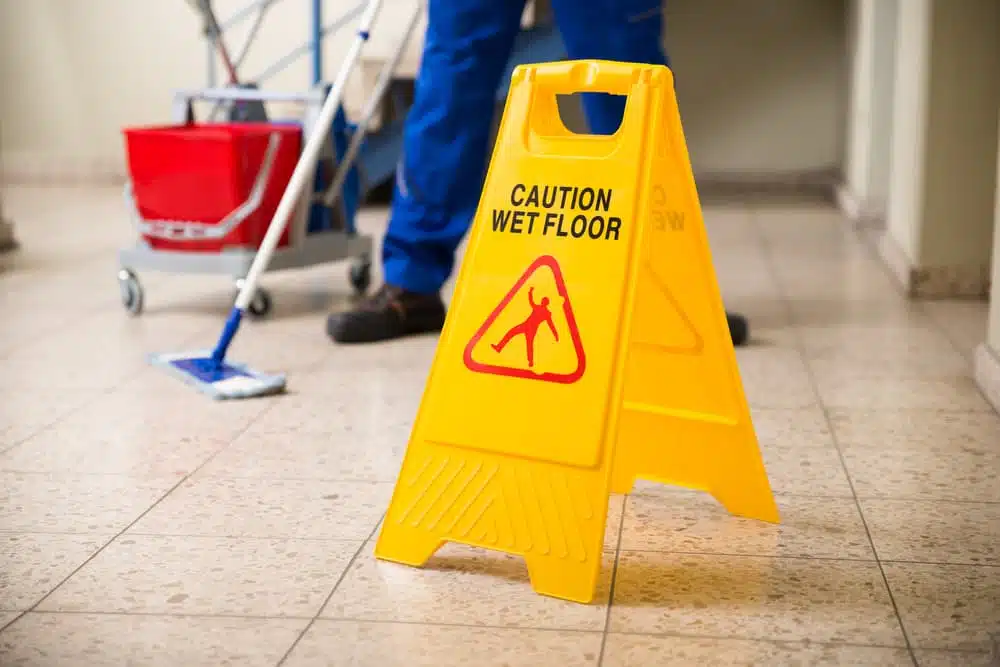
Can I still bring a claim if there was a wet floor sign?
A warning sign can affect a claim, but it does not end the analysis. The placement, visibility, and timing of the sign all matter, as well as the nature of the hazard and whether other safety steps were reasonable under the circumstances.
What if I was partly to blame for my fall?
You may still recover compensation as long as you are not more than 50% at fault. Your share of responsibility can reduce any award. A lawyer can help present evidence that fairly reflects what happened and challenge unfair attempts to place most of the blame on you.
Do I need a lawyer for a slip and fall case in Texas?
Premises liability claims can involve detailed legal standards and aggressive defenses from property owners and insurers. A Terry Bryant Accident & Injury Law attorney can interpret Texas law, gather evidence, handle negotiations, and, if necessary, take your case to court, giving you space to focus on recovery.
Talk With a Houston Slip and Fall Lawyer About Liability
If a slip and fall injury in Texas has left you with medical bills, time away from work, and ongoing pain, you may be unsure whether a property owner or business can be held responsible. These questions are important, and the answers depend on how Texas premises liability law fits your specific situation.
A Houston slip and fall lawyer at Terry Bryant Accident & Injury Law can:
- Review how and where the fall happened
- Explain how the invitee, licensee, or trespasser status affects your rights
- Evaluate the property owner’s duty of care and potential negligence
- Help pursue compensation that reflects the full impact of your injuries
Acting sooner rather than later helps preserve evidence and protects your ability to bring a claim within the legal deadlines. For a free and confidential consultation, call 713-973-8888 or toll-free 1 (800) 444-5000.
Request Your Free Consultation
Legal Resources About Texas Slip and Fall and Premises Liability Claims
For more insight into slip and fall and premises liability issues in Texas, these resources from the Terry Bryant Law firm may be helpful: