Most people assume that if a product hurts them, the product proves the case. Texas law does not work that way.
The burden sits entirely on the injured person to show what was wrong with the item, that the flaw existed before it reached the shelf, and that the flaw caused the harm. Searches for a product liability lawyer in Texas spike after big recalls, and recalls are useful evidence, but they are the beginning of a claim rather than the end of one.
What Do You Have to Prove in a Texas Product Liability Claim?
You have to prove the product was defective when it left the manufacturer, and that the defect caused your injury. A recall alone does not prove either one. Texas recognizes three kinds of defects: manufacturing, design, and marketing (inadequate warnings). Design defect claims require proof that a safer alternative design existed, under Tex. Civ. Prac. & Rem. Code §82.005
Facts drive these cases more than statutes do, so a product liability lawyer in Texas will usually want to see the product itself before saying much.
Key Takeaways About Texas Product Liability Claims
- The proof burden sits on the injured person, not the manufacturer, for all three defect types
- Design defect claims are the hardest because §82.005 requires a specific safer alternative that was affordable and technically possible when the product was built
- Two deadlines apply at once: two years from injury, and 15 years from the date of sale
- Manufacturers argue misuse, which under Chapter 33 can push a claimant past 50% fault and end the claim
- Preserving the product matters more here than in almost any other injury claim
How Common Are Injuries From Consumer Products?
Federal agencies track this closely, and the scale is larger than most people expect.
- The Consumer Product Safety Commission puts the yearly national cost of deaths, injuries, and property damage tied to consumer products at more than $1 trillion.
- CPSC announced 542 recalls and safety warnings in 2025, a 32% jump over the prior year (CPSC, January 2026).
- NHTSA logged 997 safety recalls covering 31,268,058 vehicles and equipment items in 2025 (NHTSA 2025 Annual Recall Report).
Why it matters legally: a recall can help establish that a manufacturer knew about a hazard. It does not establish that the recalled defect is what injured you.
What Counts as a Defective Product Under Texas Law?
Texas recognizes exactly three defects, and the one you are dealing with changes what evidence you need.
| Defect type | What went wrong | What has to be shown |
| Manufacturing defect | One unit came out wrong | The product left the maker defective, and that flaw produced the injury |
| Design defect | The blueprint itself is unsafe | A safer alternative design existed that was affordable and technically possible (§82.005) |
| Marketing defect | The warnings or instructions were inadequate | The maker knew or should have known of the risk, and the missing warning produced the injury |
What is a manufacturing defect?
The design was sound but this particular unit was not built to it. One tire with a bad bond. One contaminated batch. One airbag inflator that came off the line wrong.
These are often the most provable of the three, because the comparison is against the manufacturer's own specifications rather than an outside standard. These cases include defective drug cases and medical device defects, even after recall.
Why is a design defect the hardest to prove in Texas?
Because the law asks you to redesign the product. Under §82.005, a claimant must show a safer alternative that would have prevented or significantly reduced the injury without gutting the product's usefulness, and that was economically and technologically feasible when the product left the maker's hands.
Texas courts also require proof the design made the product unreasonably dangerous. In practice an engineer builds that argument, not a lawyer alone.
What is a marketing defect?
A marketing defect is a failure to warn. Texas courts treat a manufacturer as having a duty to warn when it knows or should know of a danger tied to how the product is used.
There is no duty to warn about risks that are common knowledge. Nobody has to warn that a knife is sharp. The disputes happen in the gray zone, where the maker knew about a hazard the ordinary buyer would never guess.
Can You Sue the Store That Sold You the Product?
Usually not, and this surprises people. Under §82.003, a seller that did not manufacture the product is not liable unless the claimant proves one of seven things: the seller helped design it, altered it, installed it, controlled the warning wording, made an incorrect factual claim about it, actually knew of the defect, or the manufacturer is insolvent or beyond the court's reach.
The last two carry most of the weight. A retailer that already knew a product was hurting people stays in the case, and so does one whose overseas manufacturer cannot be served in Texas.
Why Do Two Different Deadlines Apply?
Texas runs two clocks at the same time, and missing either one ends the claim.
| Deadline | What starts it | Citation |
| Two years | The date of the injury | §16.003 |
| 15 years | The date the product was sold | §16.012 |
The 15-year rule is a statute of repose, meaning it can bar a case before the injury happens. A table saw sold in 2009 that injures someone in 2026 sits outside the window even though the two-year clock just started.
Two narrow escapes exist. A longer useful safe life put in writing by the manufacturer controls instead. And §16.012(d) preserves claims for slow-developing illnesses where exposure happened within 15 years but symptoms surfaced later.
Where Do These Cases Usually Break Down?
Three places, and two of them are avoidable.
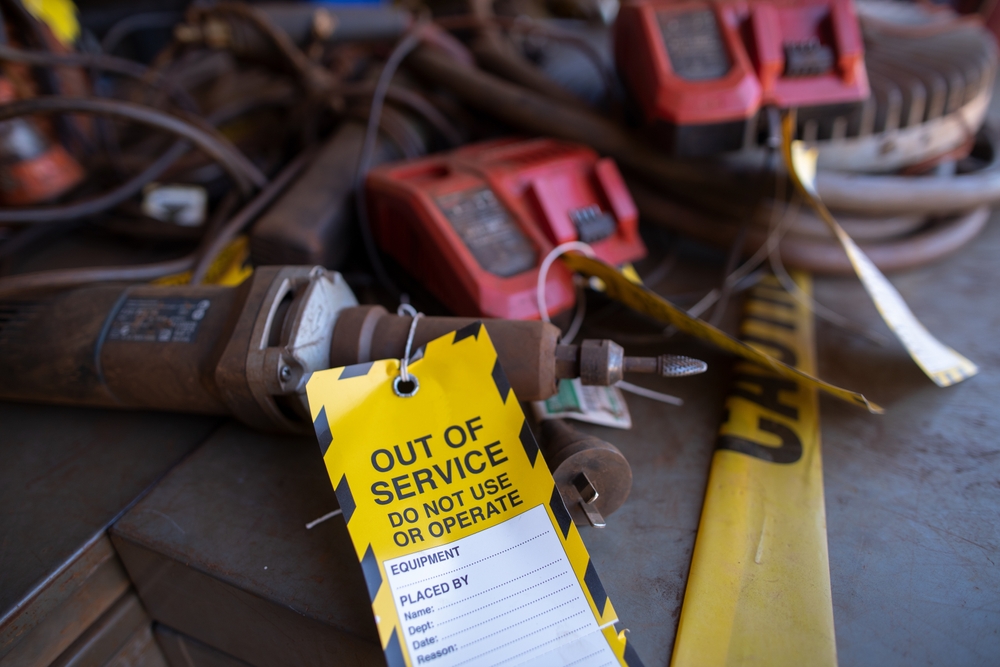
The product is gone. Insurers replace a burned appliance, a repair shop scraps the part, or a family throws it out while cleaning up. Once the item is gone, testing it is impossible and the defense will say so.
The misuse argument. Manufacturers rarely deny the injury. They argue the product was used in a way it was never sold for. Under Chapter 33, a claimant found more than 50% responsible recovers nothing, which makes blaming the user the defense's most efficient play.
The paper trail. Model numbers, lot codes, and purchase records decide which units a recall actually covers. Those details live on packaging people discard.
What Kinds of Losses Can Be Recovered?
Texas allows recovery for medical care past and future, lost wages, reduced earning capacity, physical pain, mental anguish, disfigurement, and physical impairment.
Insurers routinely value the future portion low. A burn injury needing revision surgeries years out, or a hand injury that quietly ends a trade career, is usually worth far more over a lifetime than early adjuster math suggests. Exemplary damages exist under §41.008 but require clear and convincing proof of fraud, malice, or gross negligence, and they are capped.
When Is It Worth Calling a Lawyer About a Defective Product?
When the injury required more than an urgent care visit, when the manufacturer has asked you to send the product in, or when you have been offered a refund or replacement in exchange for signing something.
That last one comes up constantly. A replacement unit and a release form are not the same thing, and the release is the part that matters.
What Helps a Product Case Before Anyone Calls a Lawyer
Many claimants find it helpful to:
- Keep the product, including broken pieces, batteries, chargers, and packaging, in a box nobody touches
- Photograph the label, model number, serial number, and any lot or date code
- Save receipts and delivery emails, which establish the date of sale for the 15-year rule
- Write down what the product was doing in the seconds before the injury
- Check CPSC recalls and NHTSA recalls for the exact model
- Report the hazard at SaferProducts.gov, which is a safety filing rather than a legal claim
Texas Product Liability Questions, Answered by Terry Bryant Law Attorneys
The manufacturer wants me to ship them the product for testing. Should I?
Not before talking to a lawyer. Once the item is in the manufacturer's lab, you lose control over how it is examined and whether it comes back intact. Both sides often agree in writing to a joint inspection instead, which protects the evidence and keeps the results usable for everyone.
What if the company that made the product no longer exists?
That is one of the seven exceptions under §82.003. If the manufacturer is insolvent or cannot be brought before a Texas court, the seller that put the product in your hands may be liable instead. Finding the successor company, importer, or component maker is often part of the early work.
I threw the product away. Is it over?
Not necessarily, though it is harder. Photos, repair records, the fire marshal's report, and other people's claims involving the same model can sometimes carry the proof.
Who pays for the testing in a product case?
In a contingency fee arrangement, the firm typically advances the cost of engineering analysis, lab work, and inspection, then recovers those costs from any settlement or verdict. Testing one component can run into five figures, which is why firms screen these cases carefully.
Can I bring a claim if the product injured someone else in my household?
Often yes. A parent may pursue a claim for an injured child, and Texas allows wrongful death and survival claims when a defective product causes a death. Deadlines shift in those situations, so timing is worth asking about early.
Does buying something used change my rights?
It can. The 15-year period under §16.012 runs from the original sale, not from the day you bought it secondhand. Used purchases also raise questions about whether a prior owner modified the product, which is a common defense.
The Broken Part Is the Case
Product cases are won in the first two weeks, before anyone files anything. What survives from that period, the burned housing, the cracked bracket, the box with the lot code on it, tends to decide what happens two years later in a courtroom.
Terry Bryant Accident & Injury Law has been handling product injury cases in Houston since 1985. Mr. Bryant is Board Certified in personal injury law by the Texas Board of Legal Specialization, and as a former judge he knows how Texas courts handle this kind of proof.
Consultations are free and these cases are handled on a contingency fee basis, meaning no fee unless there is a recovery. If you still have the product, call (713) 973-8888 before anyone asks you to send it anywhere.