In the construction industry, scaffolding provides necessary access to elevated work areas. But when scaffold safety is overlooked, the consequences can be devastating for construction workers.
According to the Occupational Safety and Health Administration (OSHA), scaffold-related violations consistently rank among the agency’s top ten most cited safety violations, often leading to fatal or life-altering injuries. In Texas, where construction is booming, the risks are magnified due to high scaffolding usage on large-scale job sites.
Common OSHA scaffold violations involve predictable hazards like falls, collapses, or falling objects, yet they continue to occur due to preventable errors. Tragically, a simple oversight or negligent action can spell permanent disability or loss of life for construction workers who rely on scaffolds to do their jobs.
What Are the Most Common Scaffolding Violations?
Scaffold accidents almost always stem from a failure to follow established safety procedures. OSHA’s general requirements for scaffolds fall under 29 CFR 1926 Subpart L, which outlines safety standards for construction scaffolds. Among the most frequently cited violations:
Failure to provide fall protection
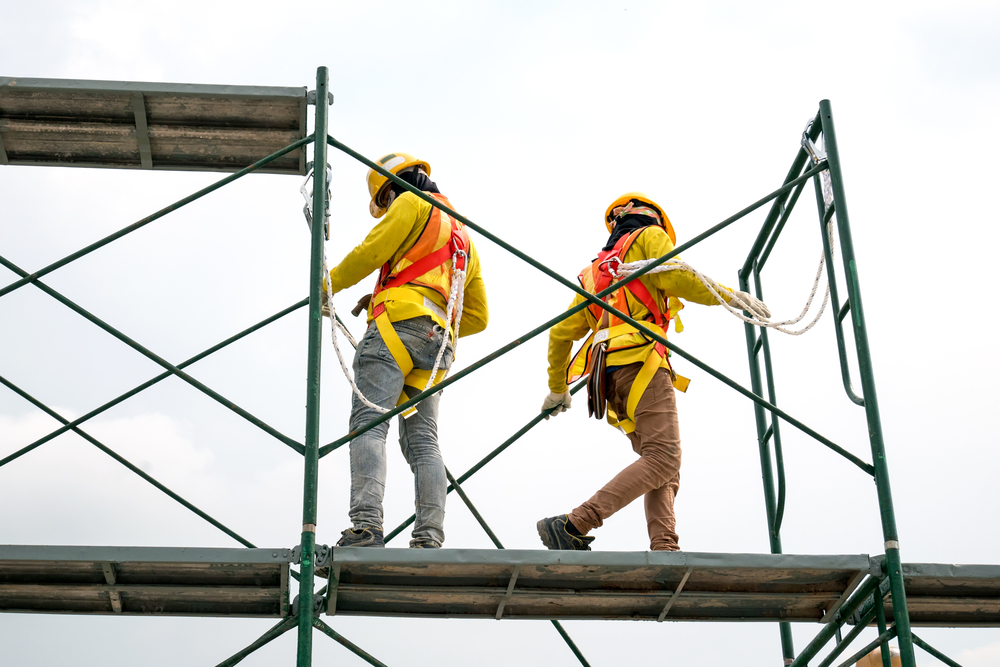
Fall protection remains OSHA’s most frequently cited scaffold-related violation, as detailed in 29 CFR 1926.451(g)(1). It is required when workers operate more than 10 feet above a lower level. In serious scaffold accidents, guardrails are often missing, improperly installed, or bypassed entirely. Harnesses and personal fall arrest systems (PFAS) may be absent or misused, increasing the risk of deadly falls.
Improper access to scaffolds
OSHA prohibits using unsafe access methods, such as cross braces or makeshift ladders, as outlined in 29 CFR 1926.451(e)(1). Safe, designated access is required for all scaffold platforms. Inadequate access contributes to falls that frequently cause traumatic brain injuries, spinal damage, or fatal blunt-force trauma.
Scaffold support failures
Overloading or using unstable structures violates 29 CFR 1926.451(a), which requires scaffolds to support their own weight plus four times the intended load. Structural failures often result in catastrophic collapse, leading to crushing injuries, amputations, or wrongful death.
Inadequate training for workers
According to 29 CFR 1926.454, workers must be trained to recognize hazards and use scaffolds safely. Yet in many serious scaffold injury cases, workers report receiving little or no instruction on basic safety practices, such as using a harness correctly, identifying unstable setups, or responding to emergencies. Employers also frequently fail to assign a “competent person” to oversee scaffold assembly and conduct safety checks, increasing the likelihood of preventable, catastrophic mistakes.
Proximity to electrical hazards
Scaffolds must be erected with at least a 10-foot clearance from energized power lines under 29 CFR 1926.451(f)(6). On busy Texas job sites, this safety margin is frequently ignored. Electrocution accidents can occur when metal scaffolds contact live wires—often during setup or dismantling.
Common Causes of Scaffold Accidents
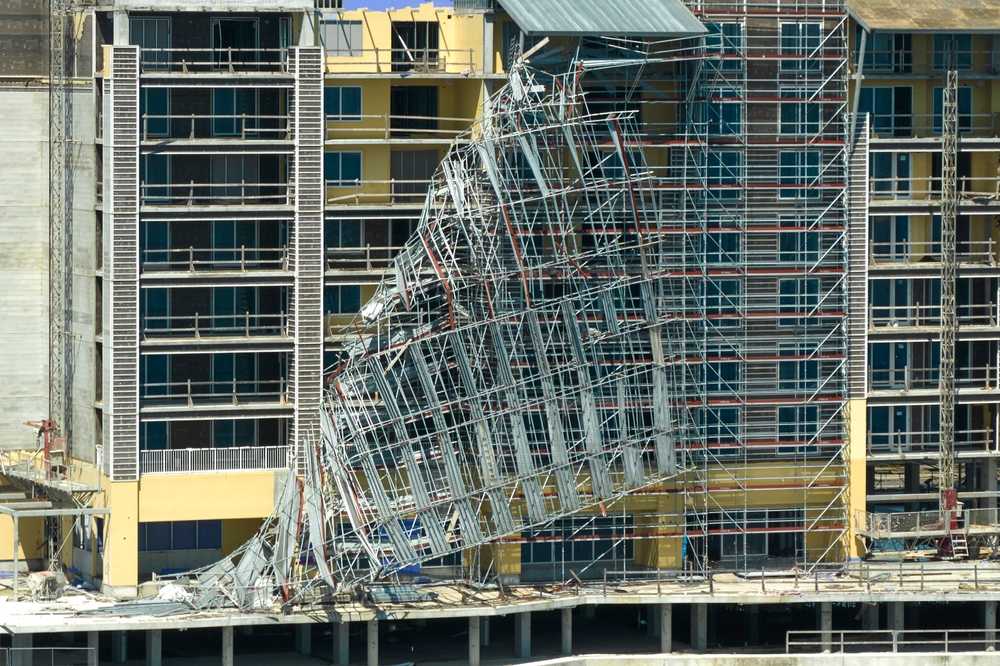
Even when OSHA standards are known, they’re not always followed. These are the most common safety failures that lead to catastrophic scaffold accidents:
Falls
Falls remain the leading cause of scaffold-related deaths. Most involve the absence of guardrails or unsecured harnesses. Others are caused by workers slipping on wet planks or tripping over debris.
Scaffold collapse
Improperly constructed scaffolds, unstable footings, or worn-out components can all lead to sudden collapse. When a scaffold falls, workers rarely have time to react. These incidents often result in crushing injuries or fatalities.
Falling objects
Workers below scaffolds are at constant risk of being struck by tools, equipment, or construction materials. OSHA requires toe boards, debris nets, or canopies to protect against falling items, but many job sites lack these basic safeguards.
Additional Hazards Contributing to Severe Scaffold Injuries
Scaffold-related injuries aren’t limited to falls or collapses. Other hazards can have equally serious outcomes, especially when safety standards are ignored.
Electrocution risks
Scaffolds that are erected too close to power lines create a deadly hazard. According to OSHA, scaffolds must maintain at least a 10-foot clearance from energized lines. Electrocution accidents often occur during setup or disassembly, especially when metal scaffolding components come into contact with live wires.
Defective equipment
Worn-out planks, faulty pulleys, and rusted connectors all compromise scaffold integrity. When parts fail, collapses or falls become inevitable. In many cases, responsibility may lie with a third-party equipment supplier or contractor.
Weather conditions
Wind gusts, rain, or even morning condensation can make scaffold surfaces slippery or unstable. High winds, in particular, can tip over unsecured or poorly anchored scaffolds. Employers are responsible for halting work when weather conditions make continued use dangerous.
When Third Parties Are Liable for Scaffold Injuries in Texas
Many scaffold accidents involve more than one responsible party. Even if your employer carries workers’ compensation insurance, you may still have a legal claim against a third party whose actions or negligence contributed to your injury or your loved one’s death.
Third-party liability often arises when scaffolding equipment fails due to poor design, manufacturing defects, or improper setup by an outside contractor. For example, if a scaffold collapses because a subcontractor assembled it incorrectly, or a supplier provided faulty components, that third party may be held financially responsible.
Unlike workers’ compensation claims, third-party lawsuits allow injured workers, or families in fatal cases, to seek a broader range of compensation. This may include damages for pain and suffering, full lost income, future care needs, and more. These lawsuits are especially important in cases involving catastrophic injuries or wrongful death, where the financial and emotional toll is significant and workers’ comp may be inadequate.
In Texas, identifying all liable parties is essential after a serious scaffold-related incident. A thorough investigation can uncover whether a manufacturer, contractor, or another company contributed to the conditions that led to the injury. If so, a third-party personal injury claim may offer the best path to meaningful compensation.
The High Stakes of Scaffold Safety on Texas Job Sites
Scaffolding hazards are not unique to Texas, but the state's unique legal structure and construction environment introduce added layers of concern. Texas is the only state that does not require private employers to carry workers’ compensation coverage.
While most large Texas construction companies carry workers’ compensation, some smaller companies may risk not carrying it, or they may have let the coverage lapse. This means some injured workers may not be covered and may have to pursue damages directly from the employer or a third party to recover damages.
Frequently Asked Questions About Scaffold Accident Claims in Texas
What is the deadline for filing a scaffold injury lawsuit in Texas?
The statute of limitations in Texas is generally two years from the date of injury or death. However, deadlines may vary in third-party claims or wrongful death cases. It’s best to consult with a lawyer right away.
Does OSHA investigate scaffold accidents in Texas?
Yes. OSHA investigates workplace accidents that result in death or serious injury, including scaffold collapses and falls. Their findings can be used as evidence in legal claims.
How much does it cost to hire a scaffold injury attorney?
Most personal injury attorneys in Texas, including those at Terry Bryant Accident & Injury Law, work on a contingency fee basis. You don’t pay unless they win your case.
Contact a Houston scaffold injury lawyer who understands the stakes

If you or someone you love has suffered a serious or fatal scaffold injury, you need legal representation from a law firm that understands the unique challenges of construction accidents in Texas.
At Terry Bryant Accident & Injury Law, we have over 40 years of experience helping victims pursue justice against negligent employers, contractors, and manufacturers. Our team has recovered over $1 billion in client awards and offers the skill, resources, and determination to pursue results in even the most complex cases.
We serve injured clients throughout Houston and across Texas. Call (713) 973-8888 or contact us online to schedule your free case evaluation today.