A drunk driving crash in Houston leaves you dealing with pain, loss, and unexpected changes in your daily life. When someone chooses to drive after drinking and causes harm, you may feel anger, fear about the future, and a strong need to hold them accountable. Many people in your situation want to pursue compensation and make sure the at-fault party faces the consequences of their choices.
A Houston drunk driving accident lawyer from Terry Bryant Accident & Injury Law can guide you through every step of your claim so you don't shoulder this burden alone. Call us now for a free and confidential consultation.
At Terry Bryant Accident & Injury Law, we use our decades of experience to build a strong case and go head-to-head with the carrier’s legal team.
Key Takeaways: Houston Drunk Driving Accident
- Texas law holds drunk drivers financially responsible for injuries and damages they cause, with potential for both criminal and civil liability.
- Victims of drunk driving accidents in Houston can pursue compensation beyond standard car accident claims, including punitive damages.
- Texas dram shop laws allow injured parties to hold bars and restaurants accountable when they over-serve alcohol to visibly intoxicated patrons.
- Evidence preservation is critical in drunk driving cases, including police reports, Blood Alcohol Concentration (BAC) results, and toxicology results that may disappear quickly.
- Houston drunk driving accident victims typically have 2 years from the accident date to file a personal injury lawsuit under Texas law. (*Always speak directly to an attorney for the exact deadlines that apply to your potential claims.)
Understanding Drunk Driving Accidents in Houston
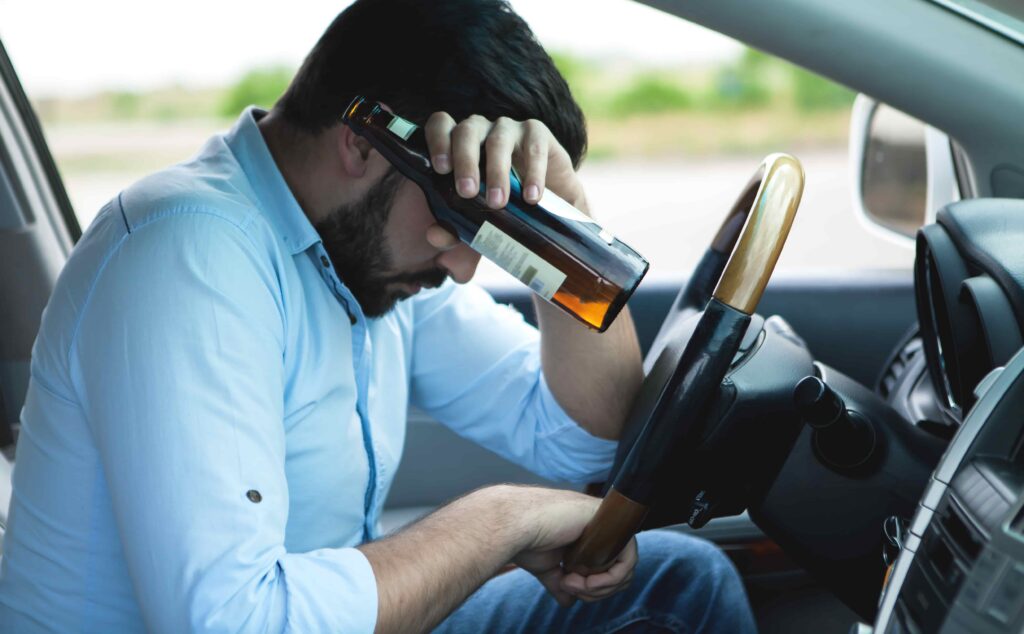
Drunk driving continues to affect families across Houston, and many residents feel the impact each year. Learning how these crashes happen and how Texas law handles intoxication helps you see what steps to take after an accident.
How Texas Defines Intoxication
Texas uses a legal definition of intoxication to determine whether someone drove while impaired. The term intoxication refers to conditions where a person doesn't have normal use of their mental or physical abilities because of alcohol or drugs.
Key points include:
- Intoxication describes a noticeable loss of coordination or judgment caused by alcohol, drugs, or a combination of both.
- The law doesn't require a blood test to show intoxication if officers observe clear signs of impairment.
- Both prescription and illegal substances fall under this definition.
- A driver can face charges even when their BAC falls below the legal limit if their behavior shows impairment.
Blood Alcohol Concentration (BAC) Limits Under Texas Law
Texas sets a legal limit of 0.08% BAC for adult drivers. This measurement reflects the amount of alcohol in the bloodstream. Commercial drivers face lower limits, and anyone under 21 falls under zero-tolerance rules. Officers often use breath or blood tests to measure BAC, and these results play a key role in both criminal and civil cases.
Criminal vs. Civil Cases in Drunk Driving Accidents
A drunk driving crash often leads to both criminal charges and a civil claim. The criminal case punishes the driver through jail time, fines, or probation. A civil claim helps injured people or grieving families pursue financial recovery from the at-fault driver. These two processes move forward separately, and the outcome of one doesn't control the other.
What Damages Can I Recover After a Houston Drunk Driving Accident?
Accidents involving impaired drivers often create a wide range of losses that affect everyday life. Texas law allows victims to pursue several types of damages to address these losses.
Economic Damages Available in Texas
Economic damages cover the financial strain caused by the crash. You may face medical bills, medication costs, physical therapy, travel expenses for treatment, and time away from work. Some people require long-term care or ongoing rehabilitation. These costs add up quickly and often continue long after the crash happened.
Non-Economic Damages for Pain and Suffering
Non-economic damages cover the personal effects of the crash. Pain and suffering, sleep problems, fear of driving, or reduced quality of life fall into this category. These losses affect day-to-day experiences in ways medical bills cannot measure. Your attorney gathers evidence to show how the crash changed your daily routines, activities, and personal well-being.
Punitive Damages in Drunk Driving Cases
Punitive damages may apply when the at-fault driver shows extreme disregard for others' safety. Driving drunk reflects a conscious choice to take a dangerous risk. Punitive damages don't compensate for a specific cost. Instead, it punishes the driver and sends a message that this behavior is not tolerated.
Wrongful Death Claims When Drunk Driving Proves Fatal
Families who lose loved ones to drunk drivers may file wrongful death claims. These claims help surviving spouses, children, and parents pursue financial recovery for funeral expenses, lost income, and loss of companionship. Grief affects families deeply, and wrongful death claims aim to relieve some of the practical burdens placed on them.
Texas Dram Shop Laws and Third-Party Liability

Not every drunk driving case involves only the driver. Sometimes a bar, restaurant, or another party contributed to the situation by serving alcohol to someone who was clearly intoxicated.
When Bars and Restaurants Can Be Held Liable
Texas dram shop laws let victims pursue claims against establishments that over-serve alcohol. If a bartender, server, or business continues serving someone who shows obvious signs of intoxication, and that person later causes a crash, the establishment may share responsibility.
Proving Over-Service Under Texas Alcoholic Beverage Code
Proving over-service involves showing that the business sold alcohol to someone who was clearly impaired. Signs may include slurred speech, stumbling, aggressive behavior, or difficulty staying awake. Witnesses, receipts, and surveillance footage often help demonstrate the pattern of service.
Social Host Liability in Texas
Texas law treats social hosts differently. A private individual who serves alcohol at a party usually isn't responsible for the actions of an adult guest. However, hosts can face liability when they provide alcohol to minors and those minors cause harm.
Commercial Establishment vs. Private Party Distinctions
The law holds commercial businesses to a higher standard because they profit from alcohol sales. Private hosts don't operate under the same rules unless minors are involved.
How Is Fault Determined in Texas Drunk Driving Accidents?
Fault plays a major role in the outcome of any civil claim. Texas uses clear rules to determine who bears responsibility and to what extent.
Texas Modified Comparative Negligence Rule
Texas follows a modified comparative negligence rule. Meaning you can pursue compensation as long as you aren't more than 50% at fault for the crash. Your financial recovery decreases according to your share of responsibility.
The Role of Police Reports and Driving While Intoxicated (DWI) Arrests
Police reports provide key details about the crash. Officers describe the scene, list citations, report BAC levels, and note observations that point to impairment. A DWI arrest strengthens your civil claim because it shows law enforcement had evidence of intoxication.
Proving Causation Between Intoxication and the Crash
Your attorney must show that the driver's impairment directly caused the collision. Evidence may include officer testimony, witness accounts, toxicology results, and crash reconstruction analysis.
Evidence That Strengthens Your Drunk Driving Accident Claim
Strong evidence helps build a clear picture of what happened. Useful items may include medical records, photos of the scene, video footage, receipts from bars, and background information on the driver. Your attorney uses this information to present a detailed account of the events leading to the crash.
The Criminal Case vs. Your Civil Claim
Criminal charges and civil claims move forward separately, but information from one often helps the other.
How a DWI Conviction Helps Your Civil Case
A conviction shows that the driver violated Texas law. This finding often supports your civil claim by confirming intoxication and unsafe driving.
Can I File a Civil Claim if Criminal Charges Are Dropped?
Yes. Your right to pursue a civil claim doesn't depend on the criminal case. Prosecutors may drop charges for many reasons unrelated to fault, such as insufficient evidence or procedural issues.
Timing Differences Between Criminal and Civil Proceedings
Criminal cases often begin quickly, while civil claims can take more time. Your attorney keeps track of deadlines and ensures your civil case stays on schedule.
Using Criminal Evidence in Your Personal Injury Lawsuit
The civil claim may use evidence from the criminal case, including BAC results, field sobriety test footage, and officer testimony.
What Should I Do Immediately After a Drunk Driving Accident?
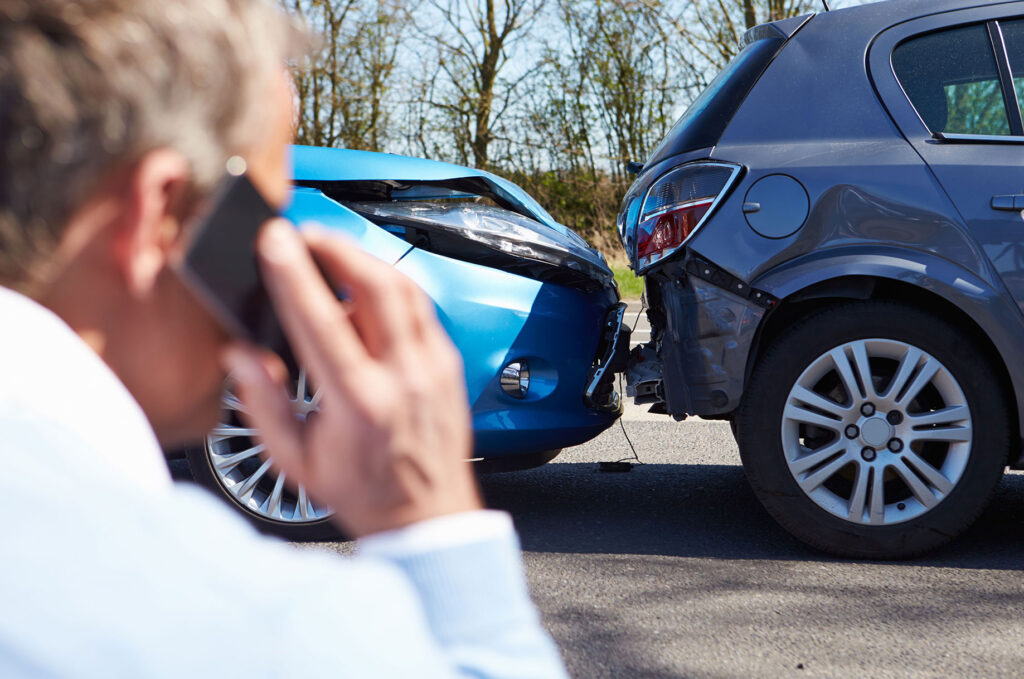
Your actions after a crash shape the strength of your claim. Safety always comes first, followed by steps that protect your legal rights.
Prioritize Medical Attention and Documentation
Even minor symptoms deserve medical attention. Some injuries don't appear right away. Medical records connect your condition to the crash.
Contact Law Enforcement and Ensure a Police Report Is Filed
Officers provide documentation, gather statements, issue citations, and collect BAC evidence. Their report becomes a vital record in your civil claim.
Gather Evidence at the Scene if Safely Possible
Photos of the vehicles, the surrounding area, road conditions, injuries, skid marks, and nearby businesses help preserve information that may vanish quickly.
Avoid Discussing Fault or Giving Recorded Statements
Insurance companies may twist your words. Instead of admitting anything, stick to basic facts and let your attorney speak for you.
Contact a Houston Drunk Driving Accident Lawyer Quickly
An attorney helps protect your rights from the beginning. Early involvement allows quick access to evidence before it's lost or destroyed.
Texas Statute of Limitations for Drunk Driving Accident Claims
Most personal injury claims must be filed within 2 years of the crash. Missing this deadline can mean losing your right to pursue compensation. (*Always speak directly to an attorney for the exact deadlines that apply to your potential claims.)
Exceptions That May Extend or Shorten the Filing Deadline
Certain circumstances may pause or adjust the timeline, such as cases involving minors or delayed discovery of injuries.
Why Waiting Too Long Can Destroy Your Case
Evidence fades, witnesses forget details, and records disappear with time. Starting your claim early protects your ability to pursue financial recovery.
How the Discovery Rule Applies in Delayed Injury Cases
Some injuries appear slowly. The discovery rule allows additional time when victims cannot reasonably know about their injuries immediately.
How Insurance Companies Handle Drunk Driving Accident Claims
Insurance companies don't always cooperate, even when the at-fault driver was clearly impaired.
Why Insurers May Still Try to Minimize Your Claim
Insurers focus on paying as little as possible. They may dispute injuries, question medical care, or downplay the driver’s impairment.
Common Tactics Used to Reduce Drunk Driving Settlements
Some tactics include suggesting your injuries came from another source, insisting you don't need certain treatment, or pressuring you to accept a quick offer.
Dealing with the At-Fault Driver's Insurance Company
Let your attorney handle all communication. Adjusters look for statements they can later use to shift blame or weaken your claim.
Your Own Insurance Coverage and Underinsured Motorist (UIM) Claims
Sometimes, the drunk driver doesn't have enough insurance. Your own UIM coverage may help fill the gap.
How Our Firm Can Help

Terry Bryant Accident & Injury Law approaches drunk driving accident cases with detailed investigation and steady guidance. We look into every source of liability, including the driver, possible dram shop defendants, and other contributing parties.
We work with a wide range of experts (e.g. medical providers, accident reconstructionists, investigators) to build a strong factual record.
We negotiate with insurance adjusters and their lawyers to pursue fair results supported by evidence, and we prepare for trial when the at-fault parties refuse to take responsibility.
Throughout the process, we focus on clear communication, so you always know what's happening and what comes next.
Frequently Asked Questions About Houston Drunk Driving Accident Claims
Can I sue a drunk driver even if they weren't charged with DWI?
Yes. Your civil claim doesn't depend on criminal charges.
How long does a drunk driving accident lawsuit take in Houston?
The timeline varies based on evidence, injuries, and whether the case settles or goes to trial.
What if the drunk driver didn't have insurance?
You may use your own uninsured (UM) or underinsured motorist (UIM) coverage, or explore claims against third parties such as bars or restaurants.
Can I still recover compensation if I was partially at fault?
Yes, as long as you're not more than 50% at fault. Your financial recovery will reflect your share of responsibility.
Will I have to go to court for my drunk driving accident claim?
Many cases resolve through negotiation. Some proceed to trial when the at-fault party refuses to accept responsibility.
Contact Our Drunk Driving Accident Lawyers in Houston Now
Time affects every drunk driving accident case. Evidence disappears quickly, memories fade, and deadlines approach faster than most people expect. Terry Bryant Accident & Injury Law stands ready to help you move forward with confidence and support.Our team understands what you're going through and how to guide your claim with care and diligence. Call now at 713-973-8888 or toll-free 1 (800) 444-5000 for a free & confidential drunk driving accident case review.